
Practical cleaning guide
Move-Out Cleaning and Your Security Deposit in New Jersey
What New Jersey's security deposit law says, how cleaning differs from damage, and a move-out cleaning plan that helps you hand back the keys with proof. New Jersey landlords must return a security deposit with an itemized list of deductions within 30 days after the lease ends. Deductions are limited to damage beyond ordinary wear and tear and money owed under the lease.
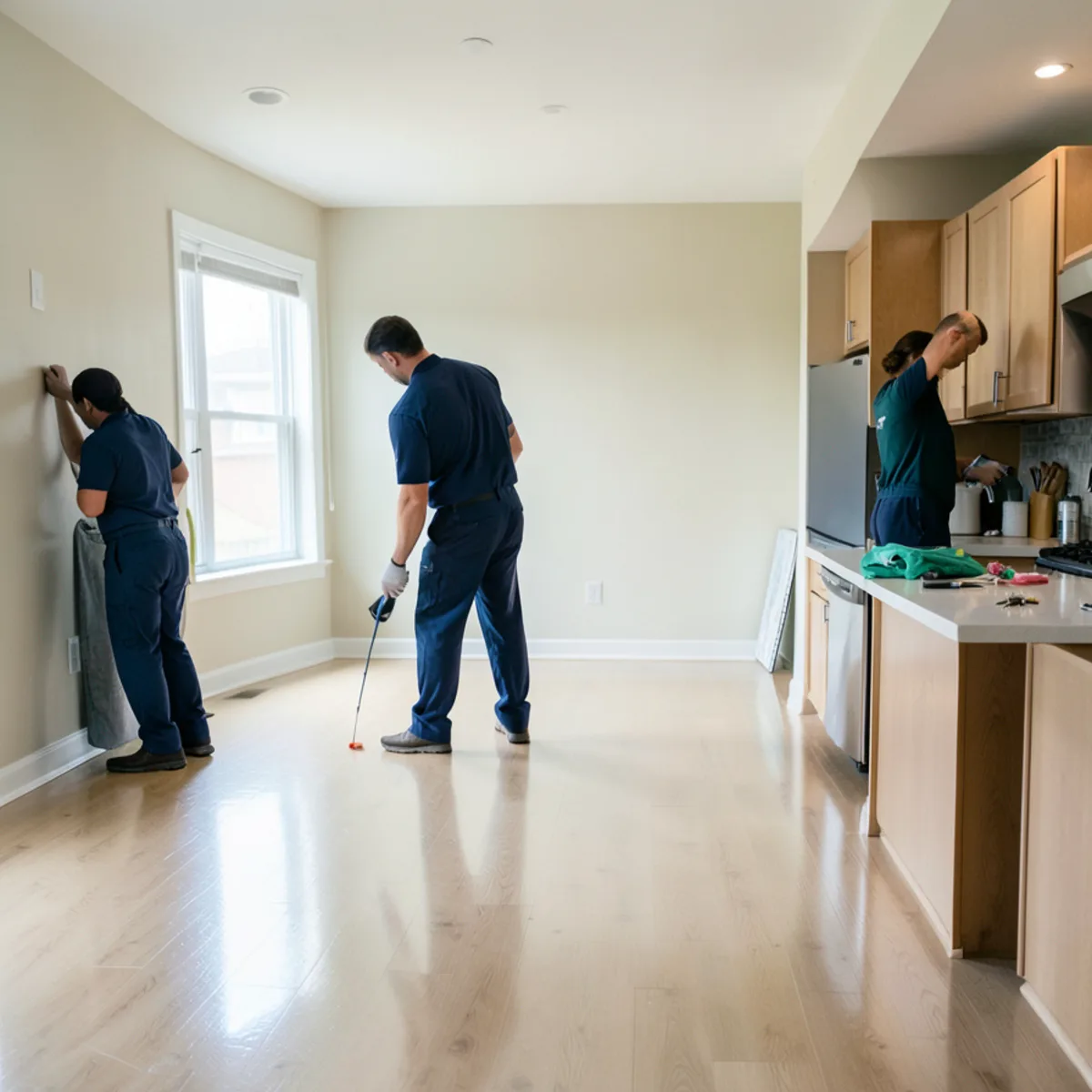
In New Jersey, a landlord must return a tenant's security deposit, with interest and an itemized list of any deductions, within 30 days after the lease ends. Deductions are allowed for damage beyond ordinary wear and tear and for money owed under the lease. A thorough move-out cleaning and dated photos are the simplest way to show the unit was left in good condition.
This guide summarizes the rules from the New Jersey Department of Community Affairs, explains where cleaning helps and where it does not, and lays out a move-out plan. It is general information, not legal advice.
What New Jersey law says about security deposits
The rules come from the state Security Deposit Law, N.J.S.A. 46:8-19 through 26. The Department of Community Affairs Security Deposit Bulletin summarizes them. The key points for a tenant moving out:
- Return deadline: within 30 days after the lease ends, the landlord must return the deposit plus the tenant's share of interest, less allowable deductions.
- Itemized list: any deductions must be itemized and sent within the same 30 days, by personal delivery, registered mail, or certified mail.
- Allowed deductions: damage beyond ordinary wear and tear, and money due under the lease.
- If it is not returned: a tenant who sues successfully can be awarded double the amount wrongfully withheld, plus court costs and, at the court's discretion, attorney's fees.
- Deposit limit: a landlord may not require more than one and a half months' rent as a security deposit.
- Exception: owner-occupied buildings with no more than two rental units are not covered unless the tenant gives 30 days' written notice that they want the law's protection.
Cleaning vs. damage vs. normal wear and tear
These three things are easy to blur, and the difference matters when deductions are discussed.
| Condition | Examples | Does cleaning help? |
|---|---|---|
| Dirt and residue | Grease on cabinets, soap scum, dusty floors, crumbs in drawers | Yes. This is what move-out cleaning removes. |
| Ordinary wear and tear | Faded paint, light scuffs, worn carpet in walkways | Partly. Cleaning improves appearance, but wear is not the tenant's to fix. |
| Damage | Holes in walls, burns, broken fixtures, stains from leaks | No. Damage needs repair, not cleaning. |
A move-out cleaning plan that protects the deposit
Work backward from the date you hand back the keys. The move-out cleaning checklist has the full room-by-room list; here is the order of operations.
- Find your move-in inspection report or photos, so you know the starting condition
- Move everything out first, including trash, so every surface and floor is reachable
- Keep water and electricity on through the cleaning
- Schedule cleaning after the movers and before the final walkthrough
- Ask for inside the oven, refrigerator, cabinets, and closets to be included
- Photograph or video every room right after cleaning, with the date visible
- Hand back keys in a way you can document, and give your forwarding address in writing

The rooms landlords look at first
Kitchens and bathrooms show neglect fastest and are where cleaning makes the biggest difference at a walkthrough.
- Kitchen: inside the oven and refrigerator, stovetop, cabinet interiors and fronts, counters, sink, floor
- Bathrooms: toilet, tub or shower, grout and fixtures, vanity interior, mirror, floor
- Every room: baseboards, window sills, closet interiors, light switches, and floors

If you are moving in
The same documentation protects you at the start of a lease. Photograph the unit before you unpack, note anything that needs cleaning or repair, and keep the photos with your lease. A move-in cleaning before your furniture arrives is the easiest time to clean cabinets, closets, and floors.
Put this guide into a realistic household plan
Begin by turning the advice above into three short lists: tasks that must happen every visit, details that can rotate, and projects that need extra time or advance discussion. That separation keeps a useful guide from becoming an impossible one-day checklist. Walk through the home in daylight, note the rooms that affect everyday comfort most, and decide what a finished result should look like. The practical value of move out cleaning security deposit NJ comes from matching the work to the home’s current condition, not from completing the greatest possible number of boxes.
If you plan to do the work yourself, gather only products and tools appropriate for the materials in your home, read every label, and avoid mixing cleaners. Work from high, dry surfaces toward wet rooms and floors so completed areas stay finished. Break a large project into zones when fatigue would otherwise lead to rushed technique or missed details. Delicate finishes, damage, mold, pests, biohazards, elevated exterior work, and repair issues need the right qualified help rather than a more aggressive cleaning product.
If you prefer professional support, share this article’s main goal when you request an estimate, then add the property size, layout, bathroom count, access instructions, pets, timing, and your three highest priorities. Ask which details are included and which need to be scheduled separately. A clear scope helps you compare the right service, protects the time reserved for your home, and makes the final result easier to review. It also gives the cleaning team useful context without asking them to guess what matters to your household.
Related New Jersey cleaning help
If you would rather hand the work to a local team, explore move-out cleaning, move-in cleaning, apartment & condo cleaning. Local service pages for house cleaning in Morristown and house cleaning in East Hanover provide additional access and housing context.
Final takeaway
New Jersey gives landlords 30 days to return a deposit with an itemized list of deductions, and only damage beyond ordinary wear and tear or money owed under the lease can be deducted. Leave the unit clean, document it, and keep your paperwork. Move-out cleaning can be scheduled for the window between the movers and the walkthrough.
Questions from this guide
How long does a New Jersey landlord have to return a security deposit?
Thirty days after the lease ends, according to the NJ Department of Community Affairs. The deposit, the tenant's share of interest, and an itemized list of any deductions must be delivered in person or by registered or certified mail.
Can a New Jersey landlord deduct cleaning costs from a security deposit?
The law allows deductions for damage beyond ordinary wear and tear and for money due under the lease. Whether a specific cleaning charge is allowed can depend on the lease and the unit's condition. For a specific dispute, consult the DCA bulletin or an attorney.
Does a professional move-out cleaning guarantee I get my deposit back?
No. Cleaning removes dirt and residue, but it does not repair damage, and deductions for damage or unpaid amounts are a separate matter. A thorough cleaning plus dated photos gives you the strongest record of the unit's condition.
When should move-out cleaning be scheduled?
After everything, including trash, has been moved out and before the final walkthrough or key handoff, with water and electricity still on.
Prefer to talk through your cleaning needs?
Describe the home, condition, timing, and priorities. We’ll help you choose a realistic scope.
Call +1 877-754-5614