
Practical cleaning guide
How to Clean an Older New Jersey Home Without Damaging It
How to clean original hardwood, plaster, woodwork, radiators, and old tile safely, plus the lead paint precautions that apply to homes built before 1978. Older homes need gentler cleaning: less water on original hardwood, mild pH-neutral cleaners, soft cloths on plaster and woodwork, and no scraping or sanding of old paint, which may contain lead in homes built before 1978.
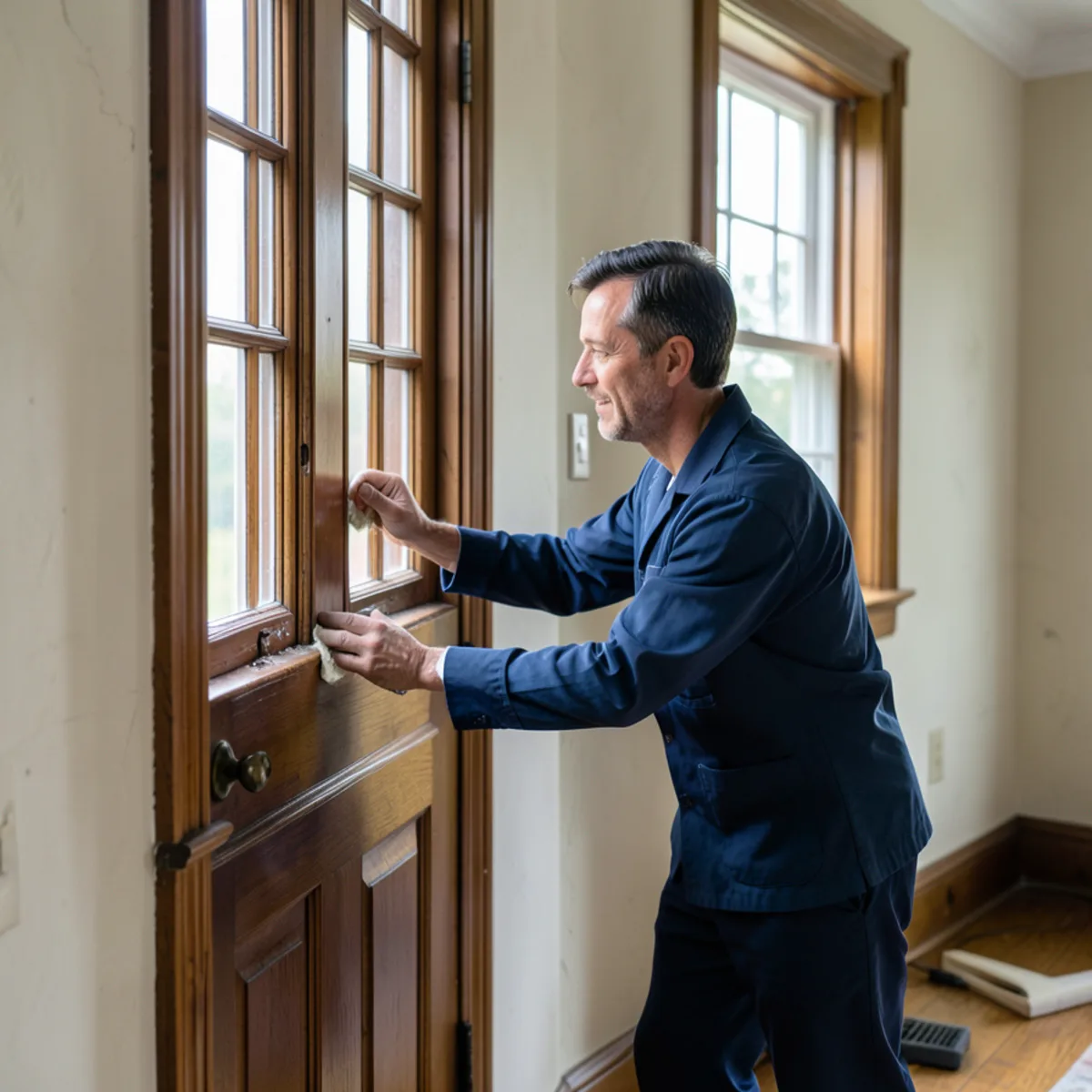
Older homes need gentler cleaning: less water on original hardwood, mild pH-neutral cleaners on old finishes, soft cloths on plaster and woodwork, and no scraping or dry sanding of old paint. New Jersey has a large stock of older homes, from Victorians in Cape May and Ocean Grove to brownstones in Hoboken and farmhouses in Hunterdon and Salem counties.
The methods below protect original materials while still getting the house properly clean.
Original hardwood floors
Older floors may have thin finishes, gaps between boards, or no modern sealant. Standing water can seep into seams and damage the wood.
- Vacuum with a soft floor brush rather than a beater bar
- Mop with a barely damp microfiber pad, never a wet mop
- Use a cleaner made for wood, and test it in a corner first
- Skip steam mops on older finishes
Woodwork, trim, and built-ins
Original trim, paneled doors, and built-in cabinets are often what makes an older home special. Dust them with a soft cloth and wipe with a slightly damp cloth, drying as you go. Avoid all-purpose sprays that leave residue, and avoid abrasive pads that can cut through old finishes.
Lead paint in homes built before 1978
Homes built before 1978 may contain lead-based paint, according to the U.S. Environmental Protection Agency. Intact paint in good condition is generally not a hazard, but dust and chips from deteriorating or disturbed paint are.
When cleaning, wipe painted surfaces with a damp cloth rather than dry dusting, and never scrape, sand, or use abrasive pads on old paint. If paint is chipping or peeling, or you plan work that will disturb it, the EPA requires lead-safe certified contractors for renovation work on pre-1978 homes. See the EPA's lead information for homeowners for details.
Plaster walls, radiators, and old tile
Each of these older materials needs its own approach.
| Material | Do | Avoid |
|---|---|---|
| Plaster walls | Dust lightly; spot-clean with a barely damp cloth | Soaking, scrubbing, or harsh cleaners |
| Cast-iron radiators | Vacuum with a brush attachment when cool; use a radiator brush between fins | Cleaning while hot; spraying water into the fins |
| Old ceramic tile | Mild cleaner and a soft brush on grout | Acidic cleaners on old grout and natural stone |
| Brass and original hardware | Dry dusting and a soft cloth | Abrasive polishes on lacquered pieces |
| Wavy original window glass | Gentle glass cleaner and a soft cloth | Scrapers and pressure on old glazing |
When to bring in help
A deep house cleaning is the right starting point for an older home, because detail areas such as trim, built-ins, and radiators take time. Tell the cleaning company about original finishes, delicate surfaces, and the age of the home when you book.
Damage, flaking paint, water stains, and mold are not cleaning jobs. Those need a qualified contractor or specialist.
Put this guide into a realistic household plan
Begin by turning the advice above into three short lists: tasks that must happen every visit, details that can rotate, and projects that need extra time or advance discussion. That separation keeps a useful guide from becoming an impossible one-day checklist. Walk through the home in daylight, note the rooms that affect everyday comfort most, and decide what a finished result should look like. The practical value of cleaning an older home comes from matching the work to the home’s current condition, not from completing the greatest possible number of boxes.
If you plan to do the work yourself, gather only products and tools appropriate for the materials in your home, read every label, and avoid mixing cleaners. Work from high, dry surfaces toward wet rooms and floors so completed areas stay finished. Break a large project into zones when fatigue would otherwise lead to rushed technique or missed details. Delicate finishes, damage, mold, pests, biohazards, elevated exterior work, and repair issues need the right qualified help rather than a more aggressive cleaning product.
If you prefer professional support, share this article’s main goal when you request an estimate, then add the property size, layout, bathroom count, access instructions, pets, timing, and your three highest priorities. Ask which details are included and which need to be scheduled separately. A clear scope helps you compare the right service, protects the time reserved for your home, and makes the final result easier to review. It also gives the cleaning team useful context without asking them to guess what matters to your household.
Related New Jersey cleaning help
If you would rather hand the work to a local team, explore deep house cleaning, recurring house cleaning, seasonal house cleaning. Local service pages for house cleaning in Montclair and house cleaning in Beverly provide additional access and housing context.
Final takeaway
Use less water, milder products, and softer tools on original materials, and treat old paint with care. A deep house cleaning gives an older home the detail time it needs.
Questions from this guide
How do you clean old hardwood floors?
Vacuum with a soft brush, then mop with a barely damp microfiber pad and a cleaner made for wood. Avoid wet mops and steam mops, which can push water into the seams.
Is it safe to clean in a house with lead paint?
Intact paint in good condition is generally not a hazard. Clean painted surfaces with a damp cloth and never scrape or sand old paint. Chipping or peeling paint, or work that disturbs it, needs lead-safe certified professionals.
How do you clean cast-iron radiators?
Clean them only when they are cool. Vacuum with a brush attachment and use a long radiator brush between the fins; do not spray water into them.
Can you deep clean an older home?
Yes. A deep cleaning works well for older homes, as long as the team knows about original finishes and delicate surfaces in advance.
Prefer to talk through your cleaning needs?
Describe the home, condition, timing, and priorities. We’ll help you choose a realistic scope.
Call +1 877-754-5614