
Practical cleaning guide
Standard Cleaning vs. Deep Cleaning: What Does Your NJ Home Need?
Compare standard and deep house cleaning, what each covers, and how to choose the right reset for your New Jersey home. Standard cleaning maintains a generally clean home; deep cleaning spends more time on accumulated buildup and agreed detail work.
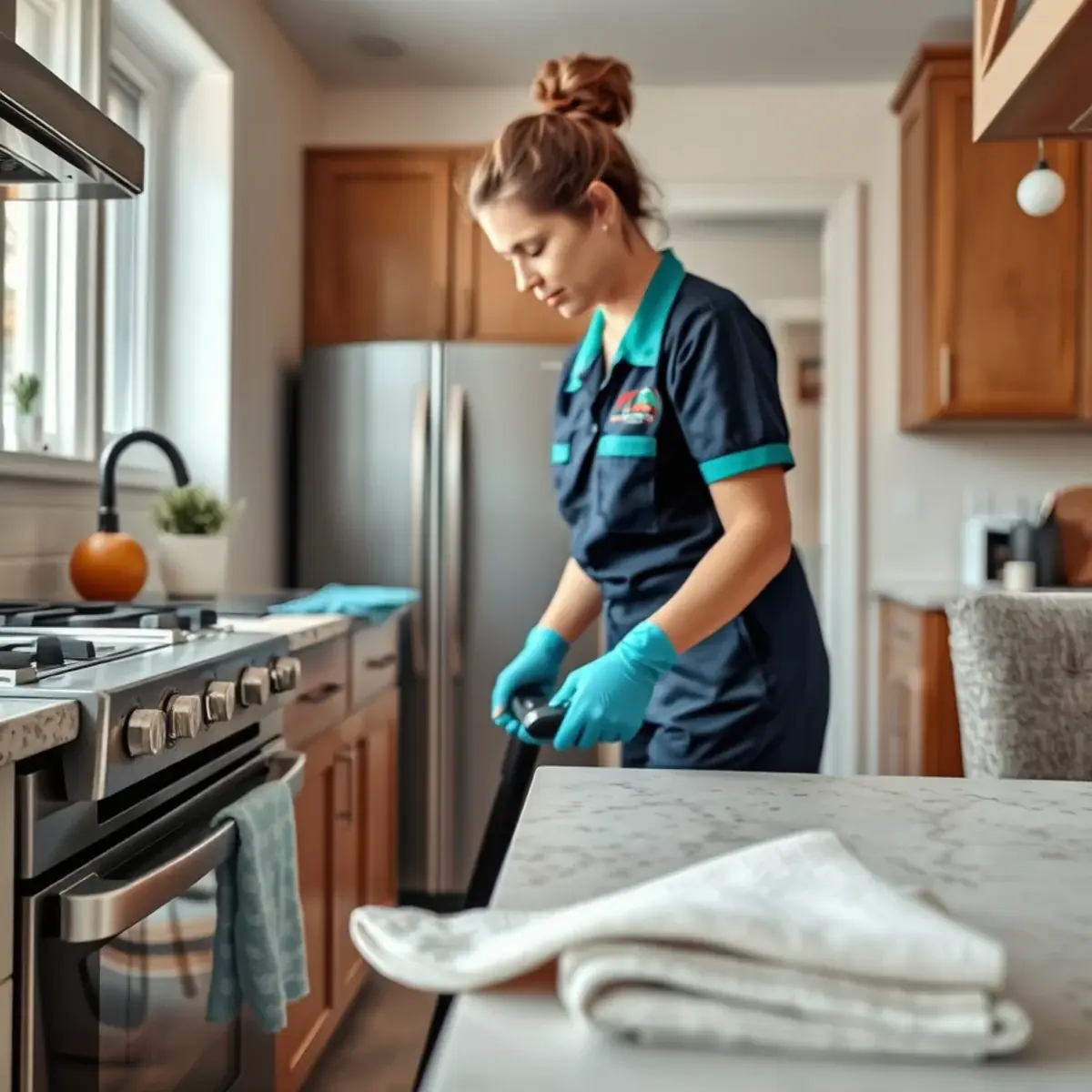
The difference between standard and deep cleaning is not simply that one is better. They solve different problems. Standard cleaning protects a home that is already in reasonably maintained condition. Deep cleaning creates a new baseline when buildup has settled into edges, fixtures, trim, and rooms that routine upkeep has not fully reached.
Choosing the wrong scope causes frustration on both sides. A homeowner may expect months of buildup to disappear during a maintenance visit, or may pay for detail time when the home only needs a dependable reset. A quick, honest assessment before booking leads to a clearer estimate and a better result.
What a standard house cleaning is designed to do
A standard visit concentrates on the surfaces and rooms that affect daily comfort: kitchen counters and sink, appliance exteriors, bathroom fixtures, dusting, vacuuming, mopping, and trash removal. It is the right fit when the home is generally kept but needs a complete professional pass.
Standard service works especially well on a weekly, bi-weekly, every-three-week, every-four-week, or monthly schedule. Once the team understands the layout and priorities, each visit can maintain the result instead of repeatedly fighting old buildup.
- Visible dust on reachable furniture and ledges
- Routine kitchen grease and crumbs
- Normal bathroom use between visits
- Carpet, rug, and hard-floor maintenance
- A general room reset without extensive detail work
What changes during a deep cleaning
Deep cleaning adds time for accumulated detail. Baseboards, door frames, fixture surfaces, edges, cabinet fronts, and accessible areas around furniture often move higher on the list. Kitchens and bathrooms may need slower work where grease, soap residue, and water spots have built up.
The exact scope should be discussed rather than assumed. Inside ovens, refrigerators, cabinets, or drawers take meaningful time and should be named when requesting the estimate. A deep clean is most effective when the client identifies the details that make the home feel unfinished.
A simple way to choose the right service
Walk through the home in daylight. Look at trim, corners, bathroom edges, cabinet fronts, fixtures, and the floor line around furniture. If the home mostly needs dusting, surface cleaning, and floors, standard service may be enough. If buildup is visible in several of those detail areas, begin with a deep clean.
Also consider the goal. Maintenance, a light guest-ready reset, and recurring service point toward standard cleaning. A first professional visit, a long gap in upkeep, seasonal catch-up, or a home that feels persistently unfinished usually points toward deeper work.
Compare standard and deep cleaning room by room
In a kitchen, standard cleaning usually protects the visible working baseline: counters, sink, appliance exteriors, reachable surfaces, and floors. A deeper scope may spend added time on accumulated grease at cabinet fronts, backsplash edges, trim, fixtures, and other agreed detail zones. Inside an oven, refrigerator, cabinet, or drawer is a separate time decision and should never be inferred from the word “deep.”
In bathrooms, routine work addresses the toilet, sink, tub or shower surfaces, mirrors, fixtures, and floor. Deep cleaning becomes more appropriate when soap residue, water marks, edges, trim, baseboards, or reachable detail need slower attention. Bedrooms and living areas follow the same pattern: standard service maintains dusting and floors, while a deep visit can prioritize reachable ledges, door frames, baseboards, and detail that has accumulated beyond a normal pass.
- Kitchen: visible maintenance versus agreed grease and detail buildup
- Bathroom: routine fixture care versus slower edge, trim, and residue work
- Living areas: regular dusting and floors versus accumulated reachable detail
- Bedrooms: maintained surfaces versus a reset of neglected accessible areas
Deep cleaning is not a catch-all service label
A deep house cleaning is still ordinary residential cleaning within a confirmed, safe scope. It is not automatically move-out cleaning, post-construction dust removal, carpet or upholstery extraction, exterior window work, hauling, organizing, restoration, or remediation. Those jobs involve different conditions, tools, access, disposal needs, or risk and must be identified before the estimate.
This distinction protects both the result and the home. A property full of moving boxes needs a different plan from an empty unit; fine renovation dust needs a different assessment from household dust; and mold, sewage, pests, biohazards, or water damage may require qualified specialist work. Describe the condition plainly instead of trying to fit every problem under “deep clean.”
How to protect the result afterward
After a deep clean, choose a realistic maintenance rhythm. High-traffic homes with children, pets, or frequent cooking may benefit from weekly or bi-weekly visits. Lower-traffic homes may stay comfortable with a longer interval and light upkeep between appointments.
Keep a short list of changing priorities. If one room was barely used while another hosted guests, share that before the next visit. Good recurring cleaning is consistent, but it should still respond to real household life.
Put this guide into a realistic household plan
Begin by turning the advice above into three short lists: tasks that must happen every visit, details that can rotate, and projects that need extra time or advance discussion. That separation keeps a useful guide from becoming an impossible one-day checklist. Walk through the home in daylight, note the rooms that affect everyday comfort most, and decide what a finished result should look like. The practical value of standard cleaning vs deep cleaning comes from matching the work to the home’s current condition, not from completing the greatest possible number of boxes.
If you plan to do the work yourself, gather only products and tools appropriate for the materials in your home, read every label, and avoid mixing cleaners. Work from high, dry surfaces toward wet rooms and floors so completed areas stay finished. Break a large project into zones when fatigue would otherwise lead to rushed technique or missed details. Delicate finishes, damage, mold, pests, biohazards, elevated exterior work, and repair issues need the right qualified help rather than a more aggressive cleaning product.
If you prefer professional support, share this article’s main goal when you request an estimate, then add the property size, layout, bathroom count, access instructions, pets, timing, and your three highest priorities. Ask which details are included and which need to be scheduled separately. A clear scope helps you compare the right service, protects the time reserved for your home, and makes the final result easier to review. It also gives the cleaning team useful context without asking them to guess what matters to your household.
Related New Jersey cleaning help
If you would rather hand the work to a local team, explore standard house cleaning, deep house cleaning, recurring house cleaning. Local service pages for house cleaning in Beverly and house cleaning in Mount Laurel provide additional access and housing context.
Final takeaway
If you are unsure which scope fits your home, describe its current condition and the details bothering you most. A clear conversation is more useful than choosing a package by name alone.
Questions from this guide
Should every first visit be a deep clean?
Not always. A well-maintained home may be ready for standard service. A deeper first visit is helpful when detail buildup would otherwise compete with routine tasks.
Does deep cleaning include appliance interiors?
Do not assume it does. Request oven, refrigerator, cabinet, or drawer interiors when asking for an estimate so the time is included in the scope.
Can I switch from deep to recurring cleaning?
Yes. Establishing a baseline and then maintaining it with recurring standard visits is a practical approach.
Is move-out cleaning the same as deep cleaning?
Not necessarily. Move-out cleaning is planned for an empty-property handoff and may involve cabinets, appliances, closets, utilities, keys, and a deadline. A deep clean focuses on accumulated detail in an occupied or empty home. Confirm the exact task list rather than treating the names as interchangeable.
Are carpet extraction and post-construction dust part of a deep clean?
Do not assume they are. Carpet or upholstery extraction, heavy construction dust, hauling, exterior work, remediation, and other specialty conditions require separate discussion and may need different equipment or qualified providers.
Prefer to talk through your cleaning needs?
Describe the home, condition, timing, and priorities. We’ll help you choose a realistic scope.
Call +1 877-754-5614