
Practical cleaning guide
Spring Cleaning Checklist for New Jersey Homes
Reset your New Jersey home after winter with a practical spring checklist for dust, pollen, entries, kitchens, bathrooms, and floors. Begin with winter dust and entry residue, then address pollen, fabrics, kitchens, bathrooms, windowsills, and floors.
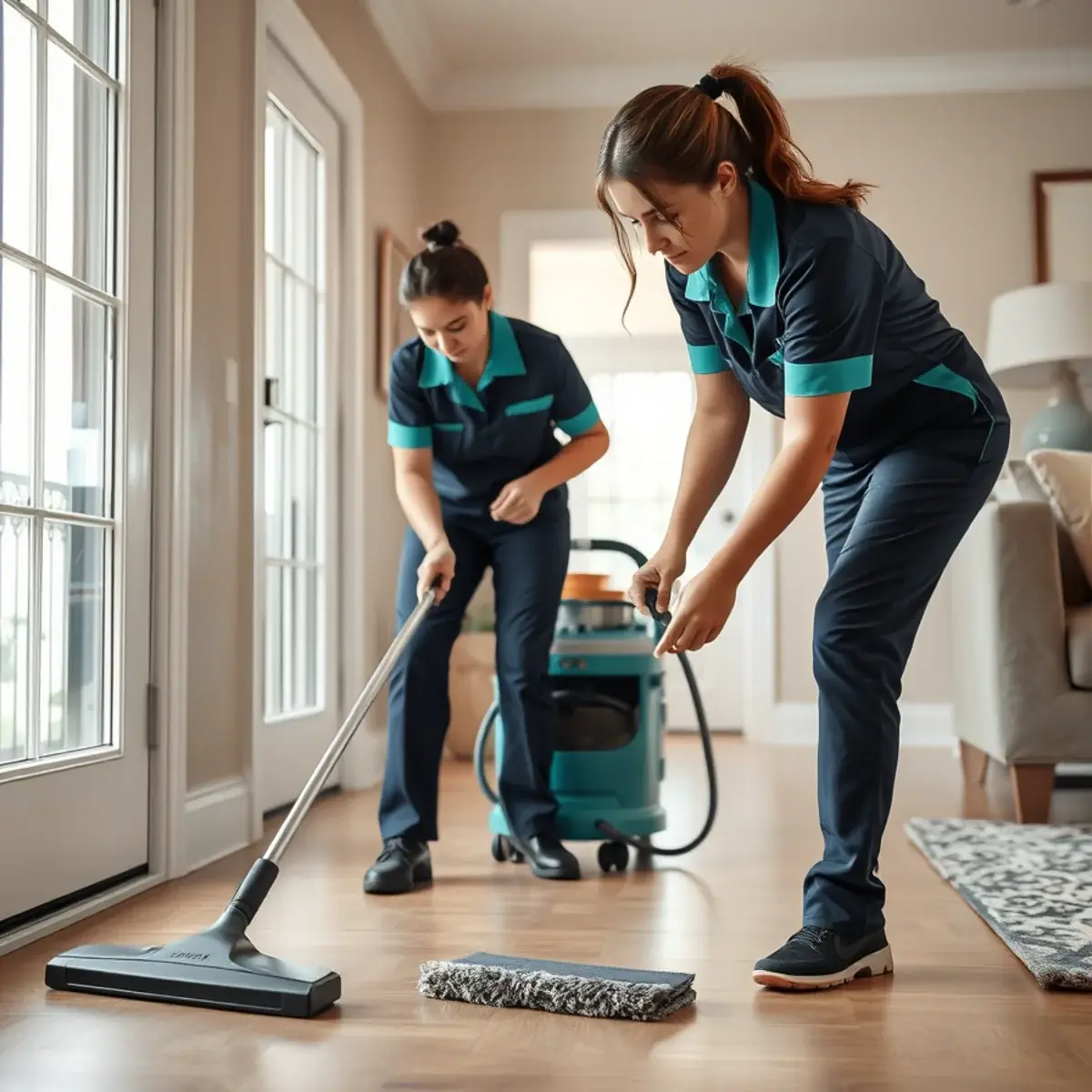
New Jersey spring cleaning begins with what winter leaves behind: closed-window dust, tracked-in salt and grit, crowded entries, dry indoor air, and rooms that have received less ventilation for months. Then pollen arrives and creates a new layer on ledges and floors.
A focused checklist separates winter recovery from ordinary weekly chores so the most valuable seasonal work is completed first.
Reset the entry path
Shake out or clean mats, vacuum corners, wipe the inside of entry doors, clean thresholds, and wash hard floors. Put away winter accessories after they are dry and remove items that block the main walking path.
Inspect the first rooms connected to each entrance. Soil travels farther than the mat, especially when pets or children move through the home.
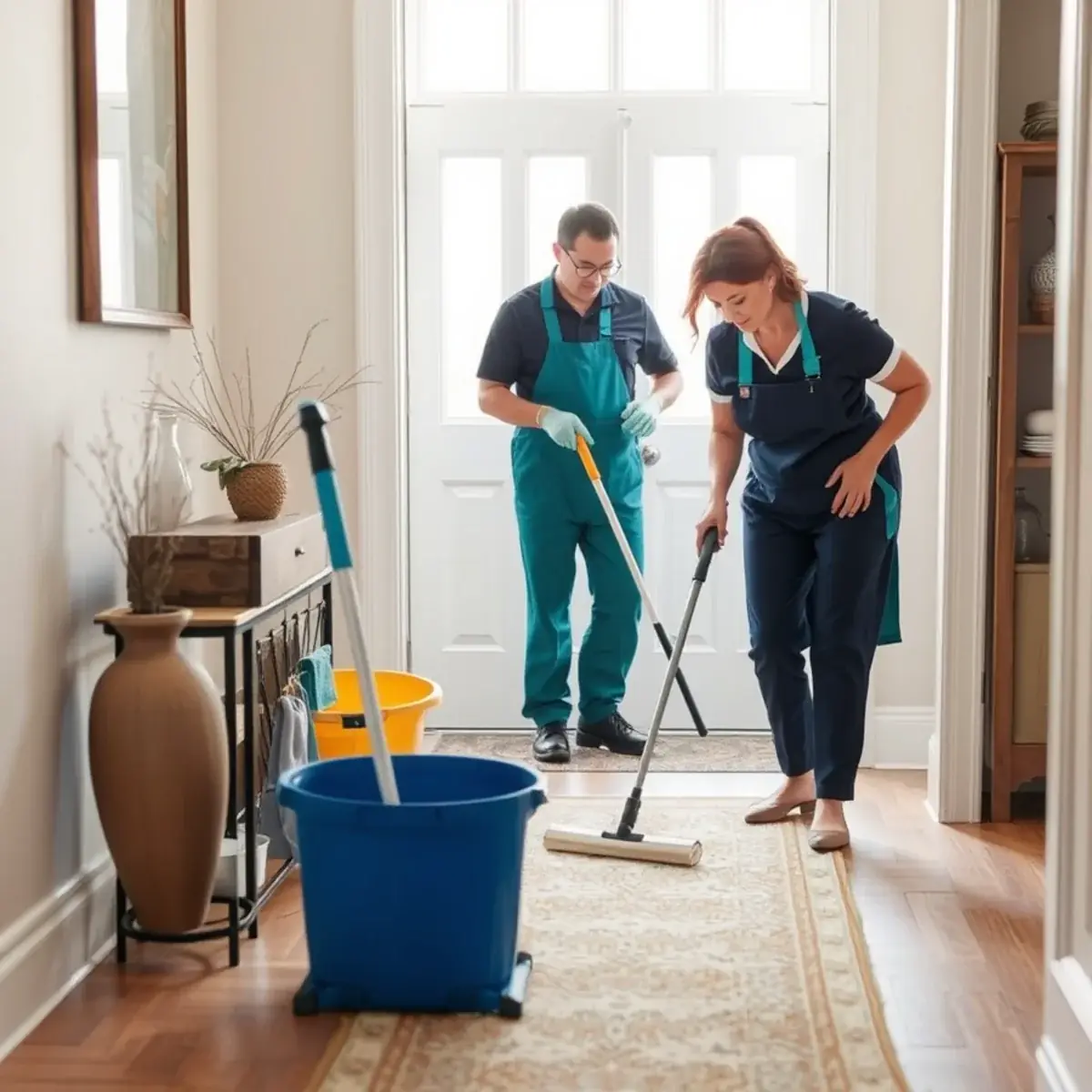
Work from high dust to low floors
Remove cobwebs and dust reachable fixtures, ledges, fan blades, trim, furniture, and baseboards before vacuuming. Use methods appropriate to the finish instead of treating every surface with the same product.
Pollen is easiest to control when windows are managed thoughtfully and cloths capture dust rather than pushing it into the air.
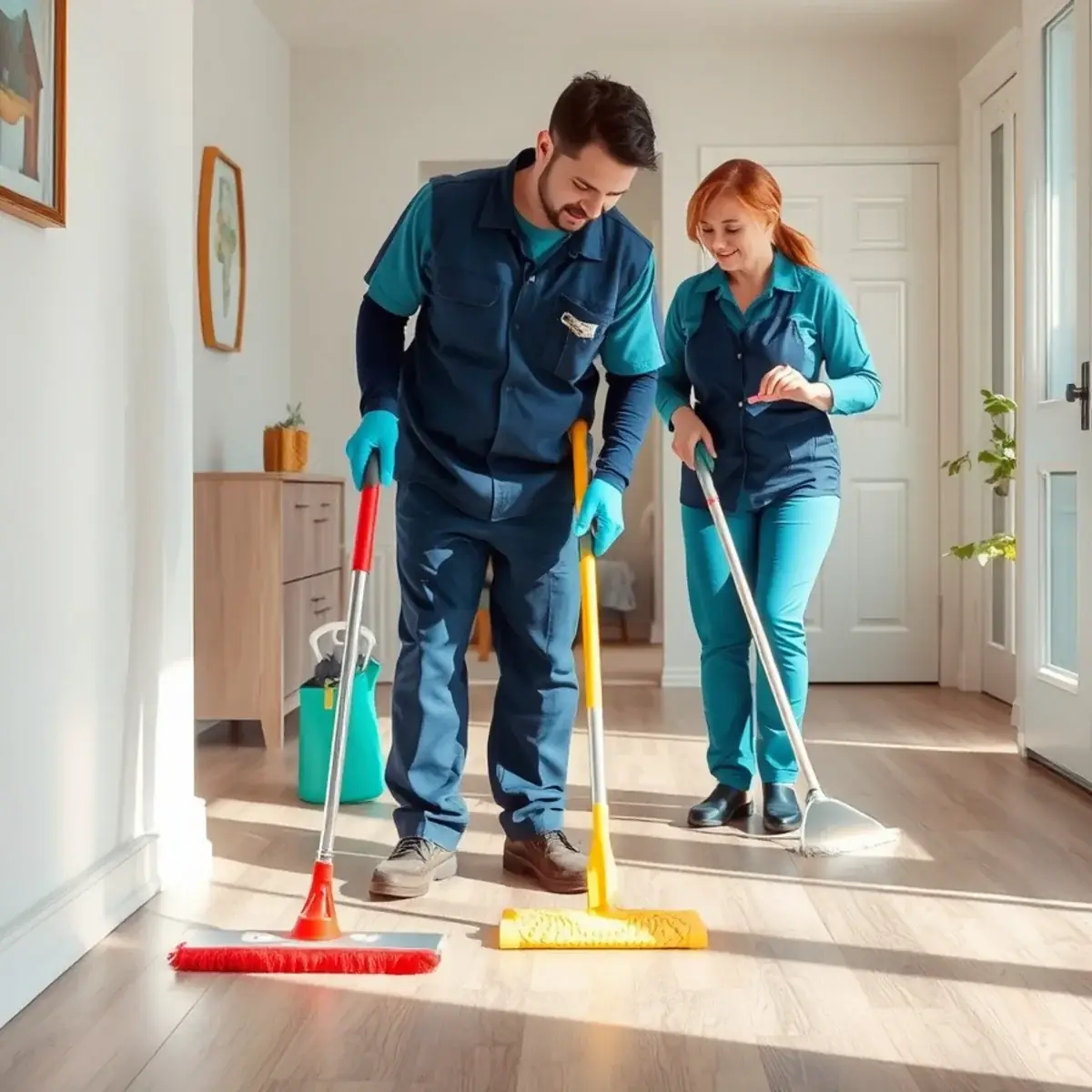
Give kitchens and bathrooms a seasonal detail
In the kitchen, address cabinet fronts, range-area grease, sink edges, appliance exteriors, and the floor line. In bathrooms, concentrate on fixtures, shower or tub edges, vanity surfaces, mirrors, and ventilation covers that can be safely reached.
Choose only a few appliance or cabinet interiors per session if you are cleaning on your own. Overloading the list is the fastest way to leave every room half finished.
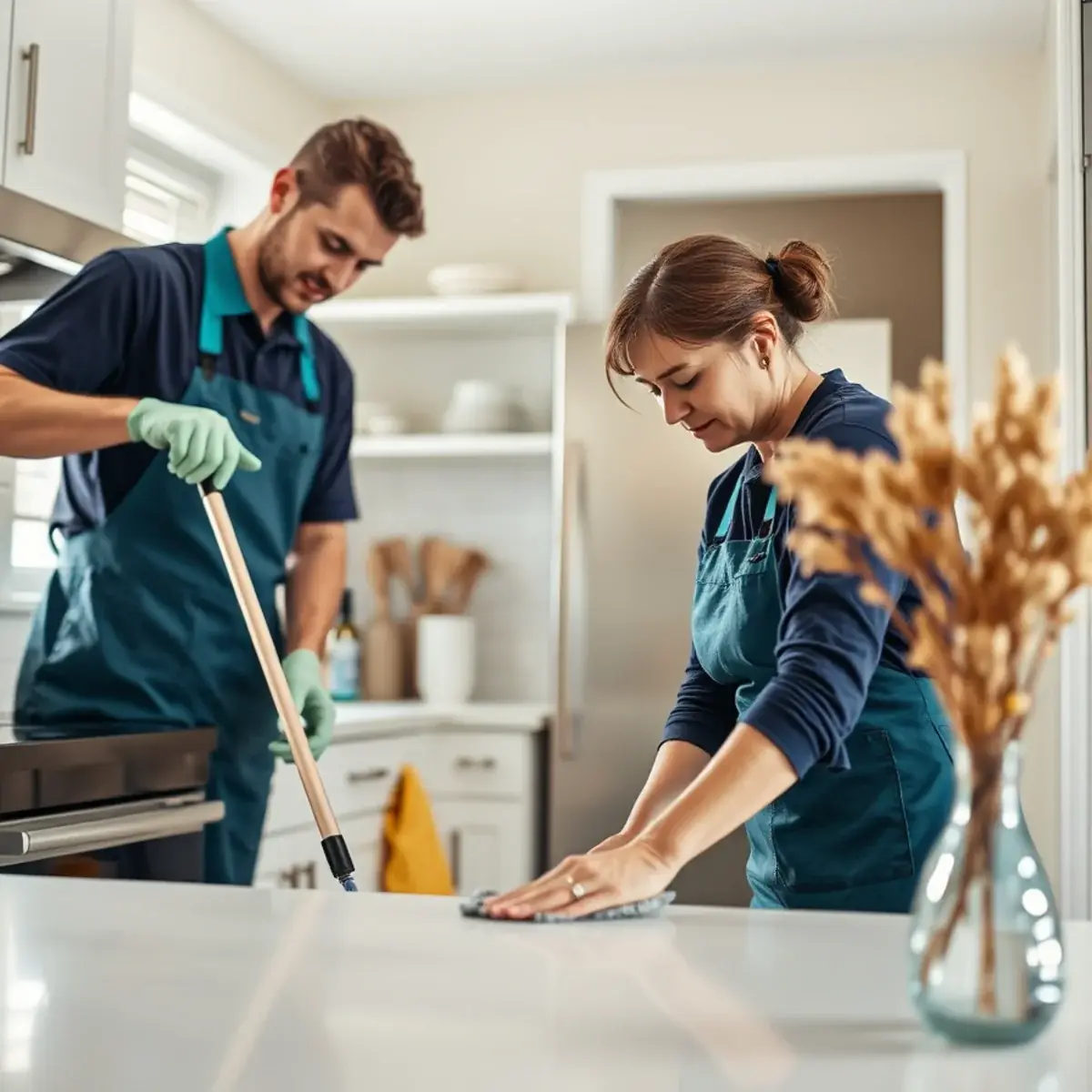
Prepare for open-window season
Dust accessible window ledges and tracks, inspect screens, and clean the interior glass where safely reachable. Exterior or elevated window work should be left to an appropriately equipped specialist.
Once the home is reset, place washable mats at active entrances and keep a quick vacuum routine during peak pollen weeks.
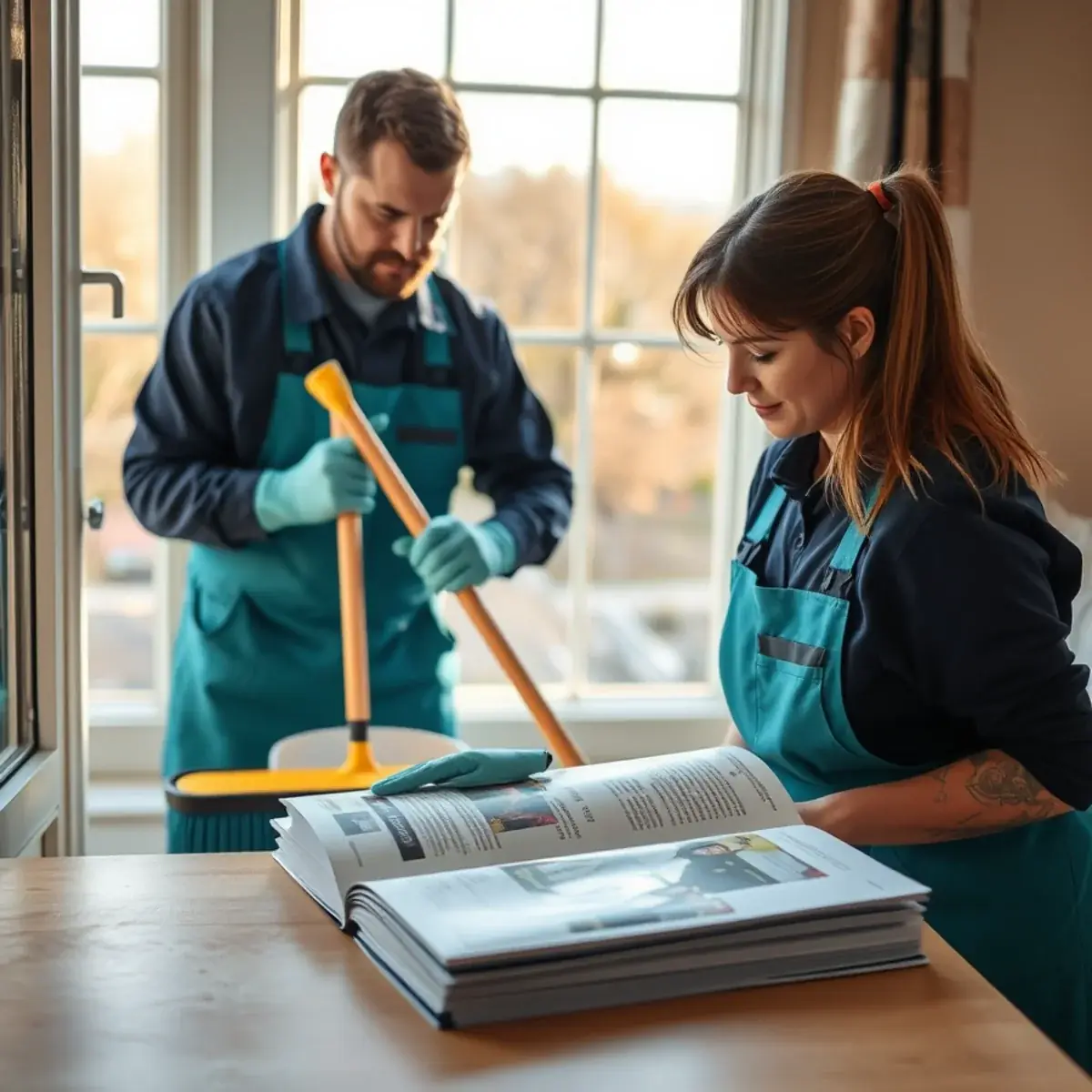
Use two passes: winter recovery, then pollen maintenance
The first pass addresses what accumulated during cold weather: entry residue, closed-window dust, crowded storage zones, reachable trim, kitchen use, bathrooms, and whole-home floors. Complete it when weather and household timing allow a safe reset. Do not wait for every tree or plant to finish releasing pollen before removing winter soil.
The second pass is lighter and repeatable. During active pollen periods, manage entry mats, pet and shoe routes, reachable sills and ledges, bedroom surfaces, upholstery vacuuming when appropriate, and traffic floors. Check current outdoor conditions before opening windows; ventilation choices depend on weather and the household, not a fixed spring-cleaning rule.
- Pass one: winter entries, accumulated dust, kitchens, bathrooms, trim, and floors
- Pass two: mats, sills, ledges, pet routes, bedrooms, and traffic floors
- Use capturing methods appropriate for the surface rather than redistributing dry dust
- Repeat only the pollen-contact zones instead of deep-cleaning the whole home again
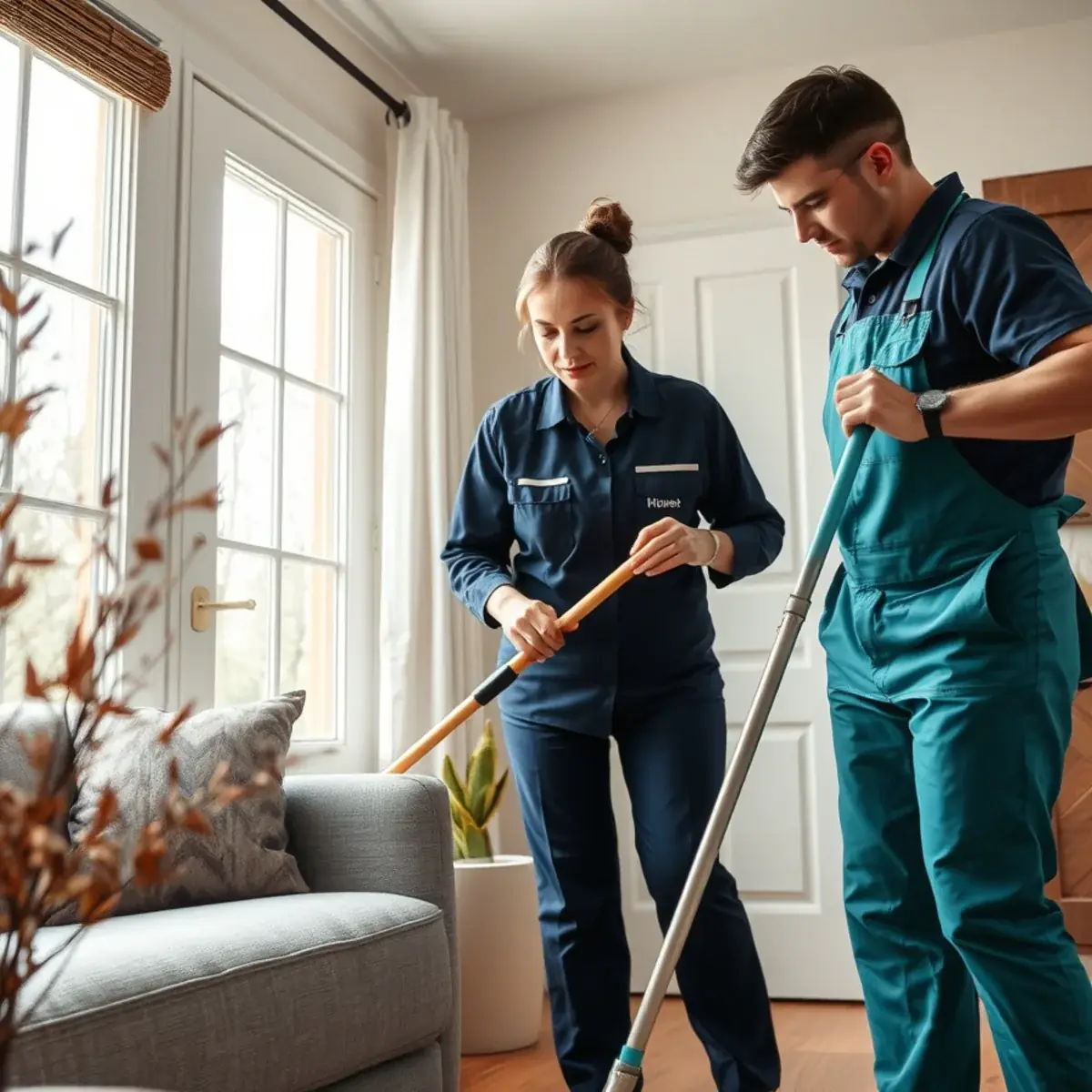
Keep spring maintenance and remediation off the cleaning checklist
Spring is a useful time to notice condensation, leaks, failed caulk, damaged paint, pest evidence, or musty areas, but ordinary cleaning does not correct the source. Visible mold, water damage, sewage, pest contamination, or other remediation conditions should be disclosed and assessed appropriately before a residential cleaning visit.
Gutters, roofs, siding, decks, exterior windows at height, HVAC service, repairs, landscaping, and pressure washing are also separate from interior house cleaning. Make a parallel maintenance list so those needs are not lost, but do not assume a seasonal cleaning appointment includes them.
Put this guide into a realistic household plan
Begin by turning the advice above into three short lists: tasks that must happen every visit, details that can rotate, and projects that need extra time or advance discussion. That separation keeps a useful guide from becoming an impossible one-day checklist. Walk through the home in daylight, note the rooms that affect everyday comfort most, and decide what a finished result should look like. The practical value of spring cleaning checklist New Jersey comes from matching the work to the home’s current condition, not from completing the greatest possible number of boxes.
If you plan to do the work yourself, gather only products and tools appropriate for the materials in your home, read every label, and avoid mixing cleaners. Work from high, dry surfaces toward wet rooms and floors so completed areas stay finished. Break a large project into zones when fatigue would otherwise lead to rushed technique or missed details. Delicate finishes, damage, mold, pests, biohazards, elevated exterior work, and repair issues need the right qualified help rather than a more aggressive cleaning product.
If you prefer professional support, share this article’s main goal when you request an estimate, then add the property size, layout, bathroom count, access instructions, pets, timing, and your three highest priorities. Ask which details are included and which need to be scheduled separately. A clear scope helps you compare the right service, protects the time reserved for your home, and makes the final result easier to review. It also gives the cleaning team useful context without asking them to guess what matters to your household.
Related New Jersey cleaning help
If you would rather hand the work to a local team, explore seasonal house cleaning, deep house cleaning, recurring house cleaning. Local service pages for house cleaning in Denville and house cleaning in Teaneck provide additional access and housing context.
Final takeaway
Spring cleaning works best as a controlled reset, not a race through every drawer. Clear winter residue, manage dust and pollen, finish the wet rooms, and protect the result with simple maintenance.
Questions from this guide
When should spring cleaning begin in New Jersey?
Begin when winter traffic has eased and you can ventilate safely, then maintain ledges and floors through pollen season.
Is spring cleaning the same as deep cleaning?
They overlap, but spring cleaning is organized around seasonal soil and transitions rather than every possible detail.
What should I prioritize if I have one day?
Entries, dust from high to low, kitchens, bathrooms, and floors will create the strongest whole-home change.
Should I open the windows while spring cleaning?
Only when weather, pollen conditions, security, and household needs make it appropriate. Open windows can help ventilation at some times and introduce more pollen at others, so there is no universal rule.
Does spring house cleaning include gutters and exterior windows?
Not automatically. Gutters, roofs, siding, decks, pressure washing, and elevated exterior glass require different access, equipment, and risk controls. Confirm any safely reachable interior window work separately.
Prefer to talk through your cleaning needs?
Describe the home, condition, timing, and priorities. We’ll help you choose a realistic scope.
Call +1 877-754-5614