
Practical cleaning guide
Deep Cleaning Checklist for New Jersey Homes
Follow a room-by-room deep cleaning checklist for kitchens, bathrooms, bedrooms, living areas, stairs, and seasonal details. Work from high surfaces to floors, separate routine tasks from detail work, and use material-safe products throughout.

A useful deep cleaning checklist does more than name every surface in the house. It organizes the work so dust is not pushed onto finished floors, wet rooms receive enough dwell time, and high-effort tasks are separated from routine maintenance.
Use this guide to plan a professional visit or structure your own weekend. Adjust it for the home’s materials, current condition, and the areas that bother you most.
Kitchen deep-clean priorities
Begin high and dry: reachable light fixtures, cabinet tops, ledges, and trim. Then move to cabinet fronts, backsplash, counters, sink, faucet, stovetop, appliance exteriors, and the floor. Work from cleaner zones toward greasy ones so cloths do not spread residue.
Inside the oven, refrigerator, empty cabinets, and drawers should be treated as planned add-ons because they require unloading, longer product contact, and extra wiping. Do not combine them with a full-home list unless enough time is available.
- Degrease reachable cooking-zone surfaces
- Detail cabinet fronts and handles
- Clean sink edges and faucet base
- Wipe appliance exteriors
- Finish with baseboards and floors

Bathroom detail that changes the whole room
Dust vents, ledges, and fixtures before using water. Apply the appropriate cleaner to the tub or shower and allow safe contact time. Clean the mirror, vanity, faucet, toilet exterior and interior, shower or tub edges, and floor.
Hard-water marks, heavy grout staining, damaged caulk, and permanent discoloration may not respond like ordinary soil. Set realistic expectations and never combine products unless their labels specifically allow it.

Bedrooms and living spaces
Remove cobwebs, dust reachable fixtures, wipe furniture and ledges, clean door frames and baseboards, then vacuum upholstery and floors. Move only light, safe-to-handle items; do not risk injury or floor damage to reach under heavy furniture.
In bedrooms, clear nightstands and dressers first. If linens are being changed, strip beds before dusting and make them after the room is clean.

Stairs, entries, and overlooked transitions
Handrails, switch plates, door edges, and floor transitions carry more fingerprints and dust than many checklists acknowledge. Stairs should be vacuumed methodically from top to bottom, with edges handled using the appropriate attachment.
Entry areas deserve extra time during wet New Jersey weather and high-pollen seasons. Mats, thresholds, corners, and the first several feet of flooring collect the material that later travels through the house.

Separate core, optional, and deferred deep-clean tasks
Before work begins, divide the checklist into three columns. Core tasks are the rooms and reachable details that must be completed for the visit to feel successful. Optional tasks—such as empty cabinet interiors, appliance interiors, blinds, interior windows, or a finished basement—are included only when time and scope allow. Deferred work belongs on a later rotation instead of competing with the main result.
This prevents a long checklist from hiding the workload. A three-bathroom home with a heavily used kitchen may need a different priority order from a maintained apartment with detailed trim. Condition, room count, access, belongings, pets, and surface care determine the work more accurately than a fixed number of checklist boxes.
- Core: high-use rooms and the reachable detail essential to the reset
- Optional: named interiors, blinds, windows, or lower-use spaces
- Deferred: safe tasks assigned to a later visit or household rotation
- Specialty: extraction, exterior, hauling, restoration, or remediation assessed separately
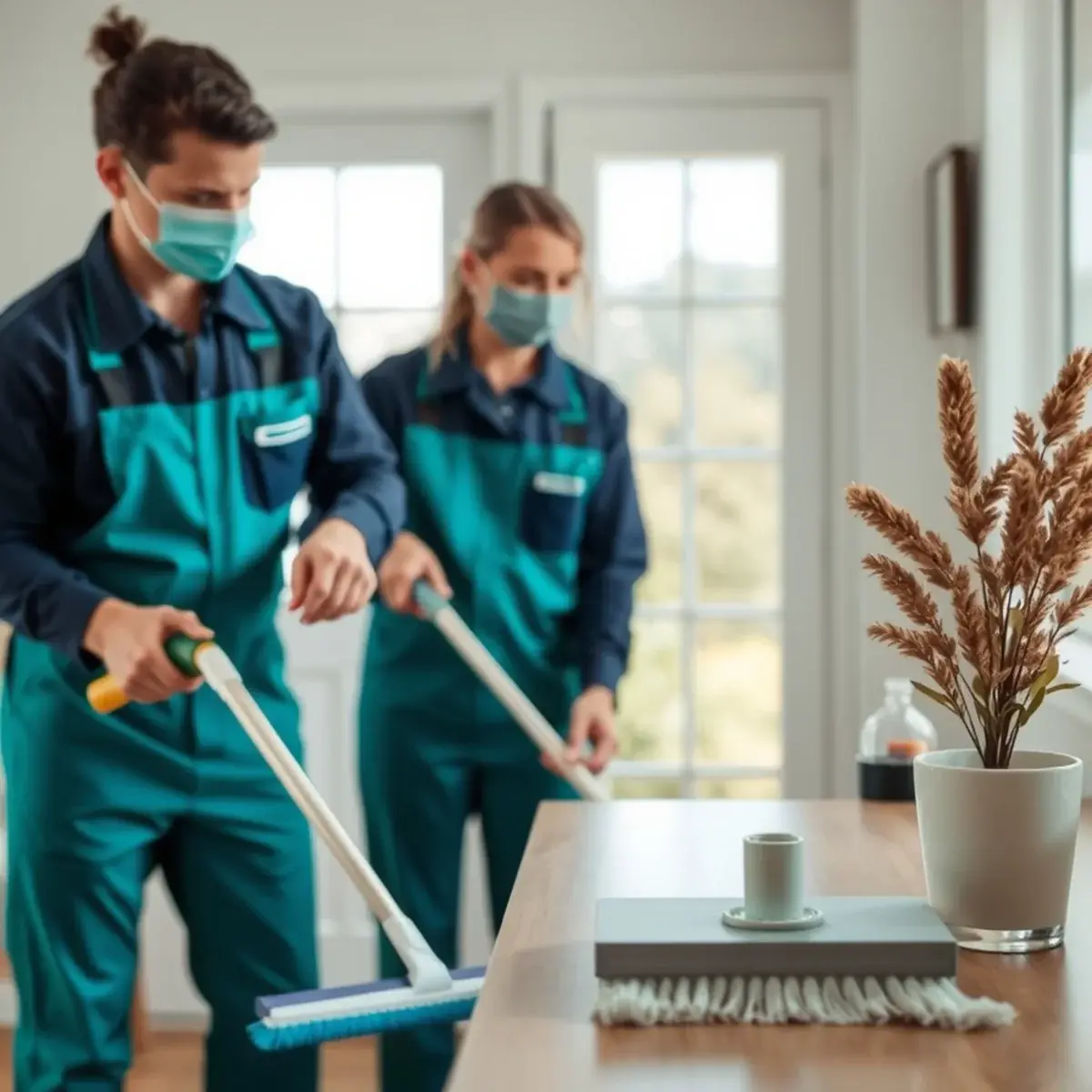
Adjust the checklist for New Jersey seasons
After winter, entry mats, thresholds, baseboards, and traffic floors may show tracked moisture and residue; use products appropriate for the specific flooring rather than a universal stronger solution. During spring pollen, reachable sills, ledges, screens, and entry routes may rise in priority. Humid periods can reveal condensation or moisture problems that cleaning alone does not correct, while fall leaf debris often concentrates near doors and mudrooms.
Seasonal evidence should change the priorities, not automatically expand the job. Exterior windows, gutters, patios, garages, HVAC service, water damage, and mold remediation remain separate from ordinary interior deep cleaning. If a surface is damaged or the soil source is still active, address the underlying condition before expecting cleaning to produce a lasting result.

Put this guide into a realistic household plan
Begin by turning the advice above into three short lists: tasks that must happen every visit, details that can rotate, and projects that need extra time or advance discussion. That separation keeps a useful guide from becoming an impossible one-day checklist. Walk through the home in daylight, note the rooms that affect everyday comfort most, and decide what a finished result should look like. The practical value of deep cleaning checklist New Jersey comes from matching the work to the home’s current condition, not from completing the greatest possible number of boxes.
If you plan to do the work yourself, gather only products and tools appropriate for the materials in your home, read every label, and avoid mixing cleaners. Work from high, dry surfaces toward wet rooms and floors so completed areas stay finished. Break a large project into zones when fatigue would otherwise lead to rushed technique or missed details. Delicate finishes, damage, mold, pests, biohazards, elevated exterior work, and repair issues need the right qualified help rather than a more aggressive cleaning product.
If you prefer professional support, share this article’s main goal when you request an estimate, then add the property size, layout, bathroom count, access instructions, pets, timing, and your three highest priorities. Ask which details are included and which need to be scheduled separately. A clear scope helps you compare the right service, protects the time reserved for your home, and makes the final result easier to review. It also gives the cleaning team useful context without asking them to guess what matters to your household.
Related New Jersey cleaning help
If you would rather hand the work to a local team, explore deep house cleaning, kitchen & bathroom cleaning, seasonal house cleaning. Local service pages for house cleaning in Moorestown and house cleaning in Montclair provide additional access and housing context.
Final takeaway
A deep clean succeeds when the list matches the time available. Prioritize the details that affect the whole home, separate optional appliance work, and finish each room completely before moving on.
Questions from this guide
Can a whole home be deep cleaned in one short visit?
That depends on size and condition. A realistic scope may need priorities or more time rather than rushing every room.
What should be done before deep cleaning?
Declutter surfaces and floors, secure valuables, identify delicate materials, and list appliance interiors or other time-intensive tasks.
What comes after a deep clean?
Use standard recurring cleaning and small daily habits to protect the new baseline.
Are walls, blinds, and interior windows always included in a deep clean?
No. Those tasks vary by access, material, condition, height, and the cleaning company’s scope. Name them when requesting an estimate so safe access and enough time can be evaluated.
When should deep cleaning stop and specialist help begin?
Stop when there is possible mold, sewage, biohazard material, pest contamination, water damage, unstable fixtures, unknown chemicals, heavy construction debris, or a restoration problem. Those conditions may require qualified assessment rather than more aggressive household cleaning.
Prefer to talk through your cleaning needs?
Describe the home, condition, timing, and priorities. We’ll help you choose a realistic scope.
Call +1 877-754-5614