
Practical cleaning guide
How to Prepare for House Cleaners: A Practical Home Checklist
Use this practical pre-cleaning checklist to protect valuables, manage pets, clear surfaces, and help cleaners spend more time cleaning. Clear personal items, secure valuables, plan for pets, provide access instructions, and identify the top priorities before the visit.
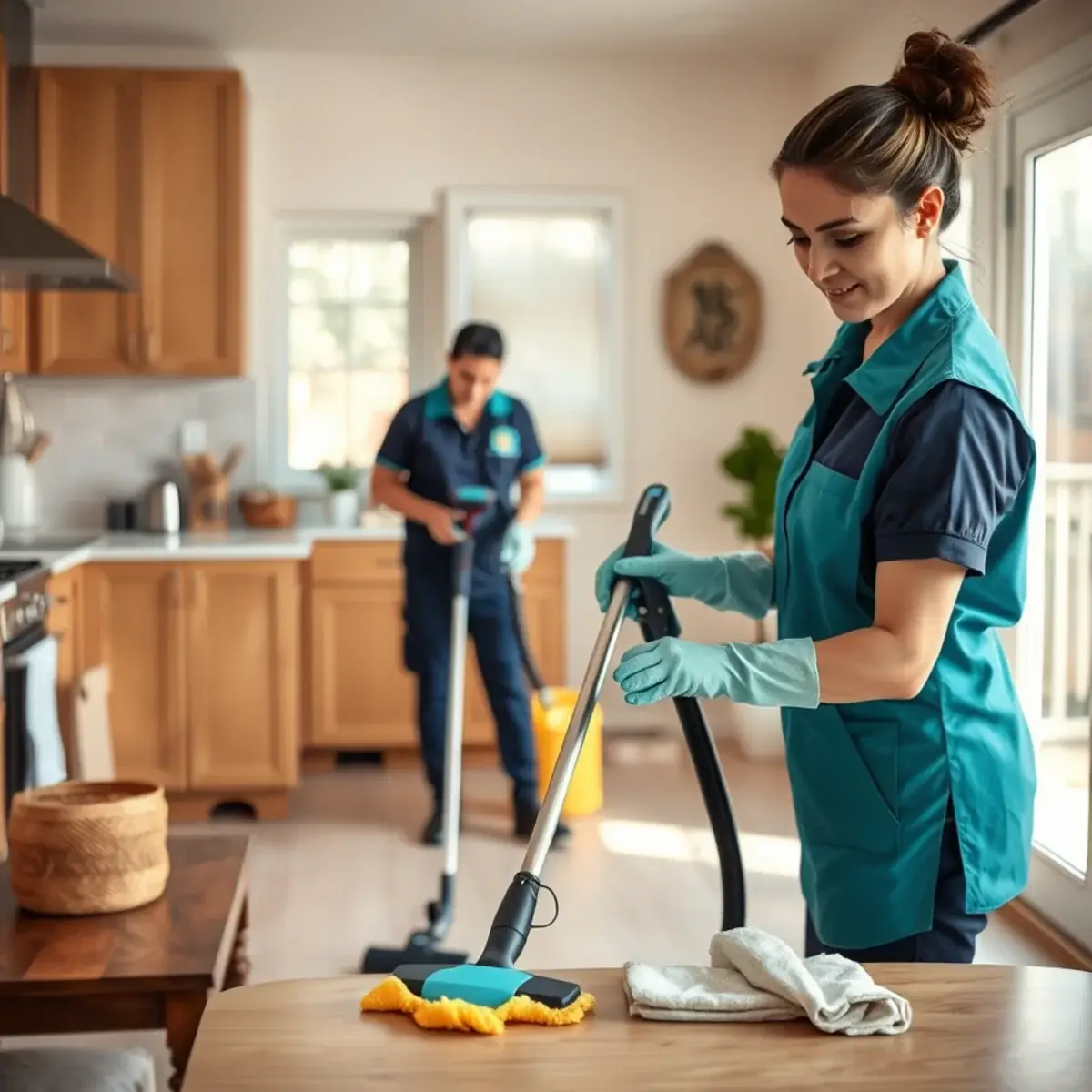
Preparing for professional cleaners does not mean cleaning before they arrive. It means removing the obstacles that would force them to spend paid time sorting belongings, searching for access, or guessing about pets and delicate surfaces.
A short preparation routine can improve the result in every room. It also makes expectations clearer and reduces the chance that an important priority is missed.
Clear clutter, not dirt
Pick up clothing, toys, papers, cords, and personal items from floors and the surfaces you want cleaned. Put dishes where they belong and move fragile objects that could be bumped. The goal is access, not a spotless room.
If time is limited, concentrate on the kitchen counters, bathroom vanities, bedroom floors, and main walking paths. A basket can hold temporary clutter, but keep it out of rooms the team needs to clean.
- Remove loose items from floors
- Clear kitchen and bathroom surfaces
- Put away important paperwork
- Move fragile or sentimental objects
- Separate items that should not be touched
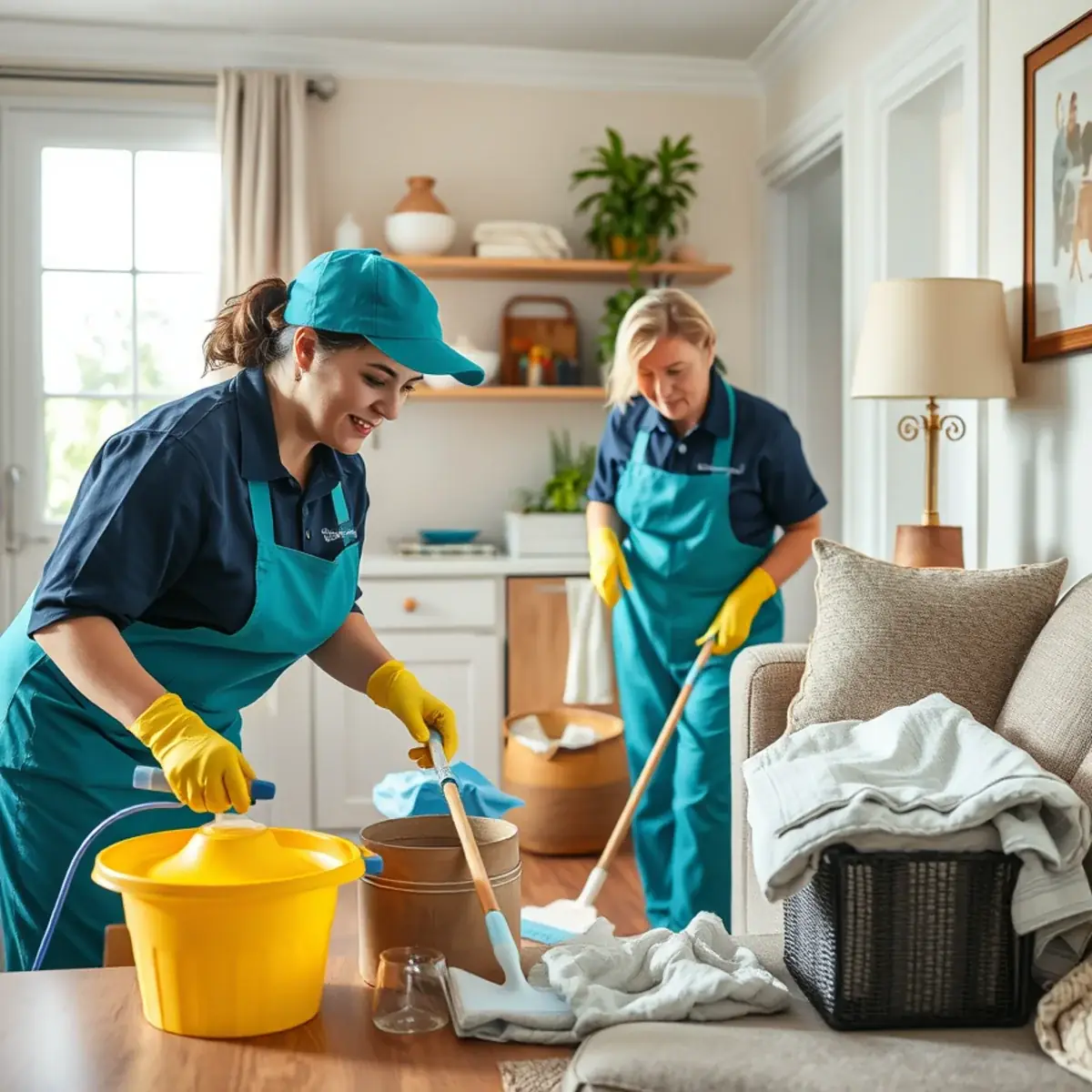
Handle valuables, medication, and private items
Secure cash, jewelry, medication, confidential documents, and small valuables. This is sensible whenever anyone works in the home and prevents accidental movement or confusion.
If a drawer, office, or room is off limits, close it and communicate that clearly. A simple note is more reliable than assuming the boundary will be obvious.

Make a pet plan
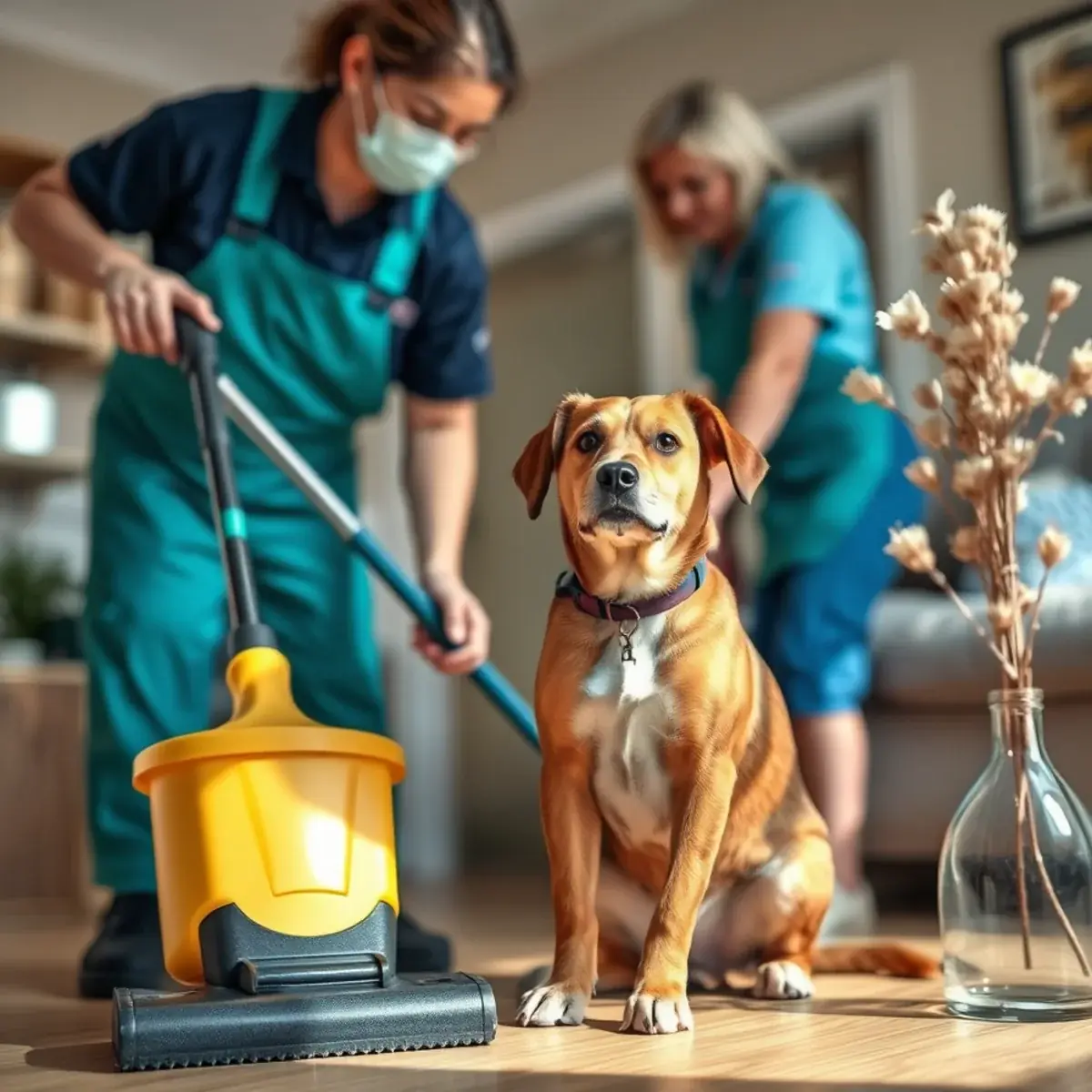
Some pets are relaxed around vacuum noise and unfamiliar movement; others become anxious or try to escape through an open door. Place pets in a secure, comfortable area and share any instructions before the visit.
Mention shedding, litter areas, pet bowls, and any room a pet uses heavily. Those details affect priorities and the time needed for floors and surfaces.
Share the three priorities that matter most
A long list can make every item feel equal. Choose the three results you most want to notice when you return: a fully reset kitchen, the primary bathroom, pet hair in the family room, or guest-ready spaces.
Also point out delicate materials, damaged fixtures, loose hardware, or a surface with special care instructions. Clear information protects the home and helps the team work confidently.
Confirm access and utilities
Provide parking, gate, lockbox, concierge, alarm, or elevator instructions. Make sure water and electricity are available, especially for move-related cleaning. If you will be home, preserve a clear working path.
Finally, keep the phone available around arrival time. A quick answer can prevent access trouble from consuming a large part of the appointment.
Use a five-minute handoff instead of a long tour
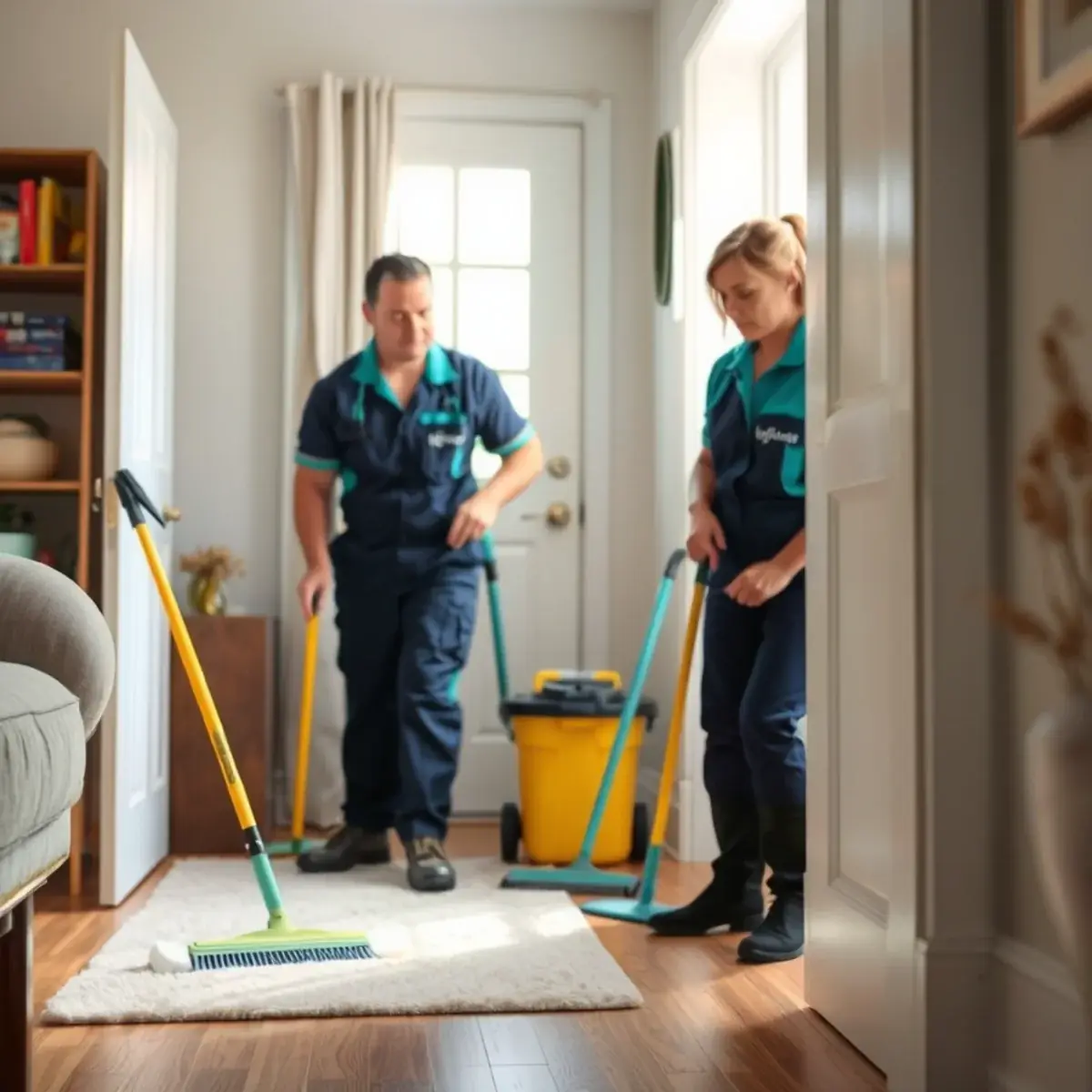
At arrival, confirm the agreed service, rooms in scope, off-limits areas, three priorities, pet location, and any access deadline. Point out loose fixtures, damaged surfaces, unstable furniture, delicate finishes, or products that must not be used. This is operational information, not an invitation to add an unpriced room-by-room list.
Disclose conditions that may change whether ordinary residential cleaning is safe, including active leaks, visible mold, sewage, pest contamination, needles, blood or other biohazards, heavy construction debris, or aggressive animals. A cleaner should not discover a possible remediation or safety issue after work has begun.
- Confirm the service, included rooms, priorities, and off-limits areas.
- Identify pets, entry details, alarms, parking, and the access deadline.
- Point out damage, unstable items, delicate finishes, and product restrictions.
- Disclose moisture, mold, sewage, pests, biohazards, or construction debris.

Review the first visit while the details are fresh
After the appointment, compare the result with the confirmed scope rather than an unspoken expectation. Note what mattered most, which rooms needed more time, and whether a task should be added, rotated, or removed next time. Prompt, specific feedback is more useful than waiting through several visits.
For recurring service, keep preparation consistent enough that the team can maintain a stable baseline. If the home’s use changes—guests, a new pet, renovation work, illness, or an event—share that before the next appointment so the scope can be reconsidered instead of surprising the team at the door.

Put this guide into a realistic household plan
Begin by turning the advice above into three short lists: tasks that must happen every visit, details that can rotate, and projects that need extra time or advance discussion. That separation keeps a useful guide from becoming an impossible one-day checklist. Walk through the home in daylight, note the rooms that affect everyday comfort most, and decide what a finished result should look like. The practical value of how to prepare for house cleaners comes from matching the work to the home’s current condition, not from completing the greatest possible number of boxes.
If you plan to do the work yourself, gather only products and tools appropriate for the materials in your home, read every label, and avoid mixing cleaners. Work from high, dry surfaces toward wet rooms and floors so completed areas stay finished. Break a large project into zones when fatigue would otherwise lead to rushed technique or missed details. Delicate finishes, damage, mold, pests, biohazards, elevated exterior work, and repair issues need the right qualified help rather than a more aggressive cleaning product.
If you prefer professional support, share this article’s main goal when you request an estimate, then add the property size, layout, bathroom count, access instructions, pets, timing, and your three highest priorities. Ask which details are included and which need to be scheduled separately. A clear scope helps you compare the right service, protects the time reserved for your home, and makes the final result easier to review. It also gives the cleaning team useful context without asking them to guess what matters to your household.
Related New Jersey cleaning help
If you would rather hand the work to a local team, explore recurring house cleaning, one-time house cleaning, housekeeping services. Local service pages for house cleaning in Mount Laurel and house cleaning in Hoboken provide additional access and housing context.
Final takeaway
Ten or fifteen minutes of thoughtful preparation can turn into more cleaning time throughout the visit. Clear access, protect what matters, manage pets, and share priorities before the team begins.
Questions from this guide
Do I need to vacuum before cleaners arrive?
No. Remove objects that block the floor, but leave the actual vacuuming to the cleaning scope.
Should I provide supplies?
Confirm this when booking. If your home has a product or surface requirement, share it before the visit.
Can I stay home during the cleaning?
Yes, depending on your preference. Give the team room to work and communicate which area you will use.
Should I pre-treat stains or surfaces before cleaners arrive?
Not unless the cleaning company has asked you to. An unknown product can react with another cleaner or affect a finish. Instead, identify the area, explain what was previously used, and let the team determine whether it is within scope.
Will house cleaners move heavy furniture or packed belongings?
Do not assume they will. Clear access around the areas you want cleaned and discuss any furniture movement in advance. Heavy, unstable, valuable, or packed items may need to remain in place for safety and floor protection.
Prefer to talk through your cleaning needs?
Describe the home, condition, timing, and priorities. We’ll help you choose a realistic scope.
Call +1 877-754-5614