
Practical cleaning guide
How Often Should an Office Be Cleaned? A Small-Business Schedule
How often to clean an office by area, from restrooms and break rooms to workstations and floors, and how to set a schedule that fits your staff and visitors. Most small offices need restrooms, break rooms, and trash handled several times a week, and floors and shared surfaces at least weekly. Headcount, visitors, and the number of restrooms set the minimum.
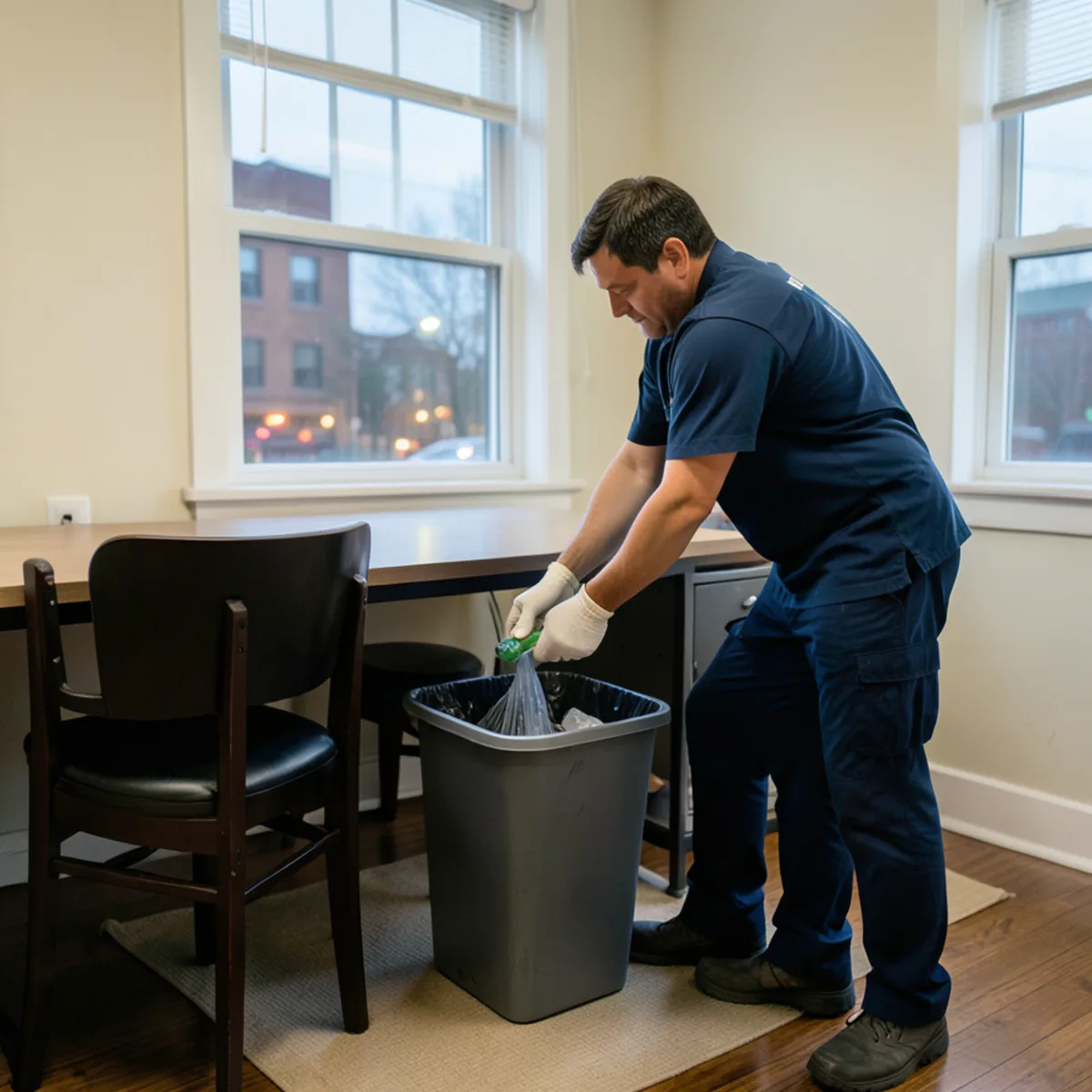
Most small offices need restrooms, break rooms, and trash handled several times a week, and floors and shared surfaces at least weekly. How often depends on headcount, client traffic, and how many restrooms and kitchens the space has. An office with daily visitors needs more frequent cleaning than one used by a small internal team.
Use the schedule below as a starting point, then adjust based on what slips first.
Office cleaning frequency by area
Different parts of an office get dirty at very different rates. Plan by area, not by the whole space.
| Area | Typical frequency | Increase if |
|---|---|---|
| Restrooms | Several times a week to daily | Clients use them or headcount is high |
| Break room and kitchenette | Several times a week | Staff eat lunch on site |
| Trash and recycling | Several times a week | Food waste is common |
| Reception and client-facing areas | Several times a week | Visitors arrive daily |
| High-touch points (handles, switches) | Weekly or more | During cold and flu season |
| Floors in walkways | Weekly or more | Winter salt and wet weather |
| Desks and workstations | Weekly | Desks are shared |
| Conference rooms | Weekly or after heavy use | Rooms are booked for clients |
What drives how often an office needs cleaning
Four factors matter most:
- Headcount: more people means faster wear on restrooms, kitchens, and floors
- Visitors: client-facing spaces need to look finished every day, not just on cleaning day
- Restroom and kitchen count: these are the areas that set the minimum frequency
- Season: New Jersey winters bring salt and slush onto entry floors
Daily, weekly, and monthly tasks
Between professional visits, staff can handle a few daily resets, such as wiping the break-room counter and loading the dishwasher. The cleaning visit covers the full list. Detail tasks, such as baseboards and vents, can rotate monthly. The office cleaning checklist for small businesses lists the tasks area by area.
Scheduling around your business
Most offices prefer cleaning before or after business hours. Settle access, alarm codes, keys, and which rooms are off-limits before the first visit. Write down who to contact if something is found broken or a door cannot be locked.
Moving into or out of an office
An office move is a good time for a one-time detailed clean, while desks and shelves are empty. Plan it after furniture is moved and before the space is handed over or occupied, the same way a residential move-out cleaning is timed.
Put this guide into a realistic household plan
Begin by turning the advice above into three short lists: tasks that must happen every visit, details that can rotate, and projects that need extra time or advance discussion. That separation keeps a useful guide from becoming an impossible one-day checklist. Walk through the home in daylight, note the rooms that affect everyday comfort most, and decide what a finished result should look like. The practical value of how often should an office be cleaned comes from matching the work to the home’s current condition, not from completing the greatest possible number of boxes.
If you plan to do the work yourself, gather only products and tools appropriate for the materials in your home, read every label, and avoid mixing cleaners. Work from high, dry surfaces toward wet rooms and floors so completed areas stay finished. Break a large project into zones when fatigue would otherwise lead to rushed technique or missed details. Delicate finishes, damage, mold, pests, biohazards, elevated exterior work, and repair issues need the right qualified help rather than a more aggressive cleaning product.
If you prefer professional support, share this article’s main goal when you request an estimate, then add the property size, layout, bathroom count, access instructions, pets, timing, and your three highest priorities. Ask which details are included and which need to be scheduled separately. A clear scope helps you compare the right service, protects the time reserved for your home, and makes the final result easier to review. It also gives the cleaning team useful context without asking them to guess what matters to your household.
Related New Jersey cleaning help
If you would rather hand the work to a local team, explore office & workplace cleaning. Local service pages for house cleaning in Saddle River and house cleaning in Princeton provide additional access and housing context.
Final takeaway
Set the frequency by the areas that wear fastest, usually restrooms and the break room, and build the rest of the schedule around them. Office and workplace cleaning can be scheduled around your hours with an agreed scope.
Questions from this guide
How often should a small office be cleaned?
Restrooms, break rooms, and trash usually need attention several times a week, with floors, desks, and shared surfaces at least weekly. Offices with daily client visits often need more frequent visits.
How often should office restrooms be cleaned?
Several times a week at minimum, and daily in busier offices or where clients use them.
Should office cleaning happen during business hours?
Most offices prefer before or after hours to avoid disrupting work. That requires agreeing on access, alarm codes, and locked rooms in advance.
Does CL Cleaning Service clean offices?
Yes. Office and workplace cleaning covers reception, offices, restrooms, break rooms, floors, and agreed high-touch areas on a schedule that fits your access hours.
Prefer to talk through your cleaning needs?
Describe the home, condition, timing, and priorities. We’ll help you choose a realistic scope.
Call +1 877-754-5614