
Practical cleaning guide
Office Cleaning Checklist for New Jersey Small Businesses
Build an office cleaning scope for reception areas, workstations, restrooms, break rooms, floors, trash, and access procedures. Define daily-touch areas, restrooms, break rooms, floors, waste, secure zones, and a schedule that will not interrupt operations.
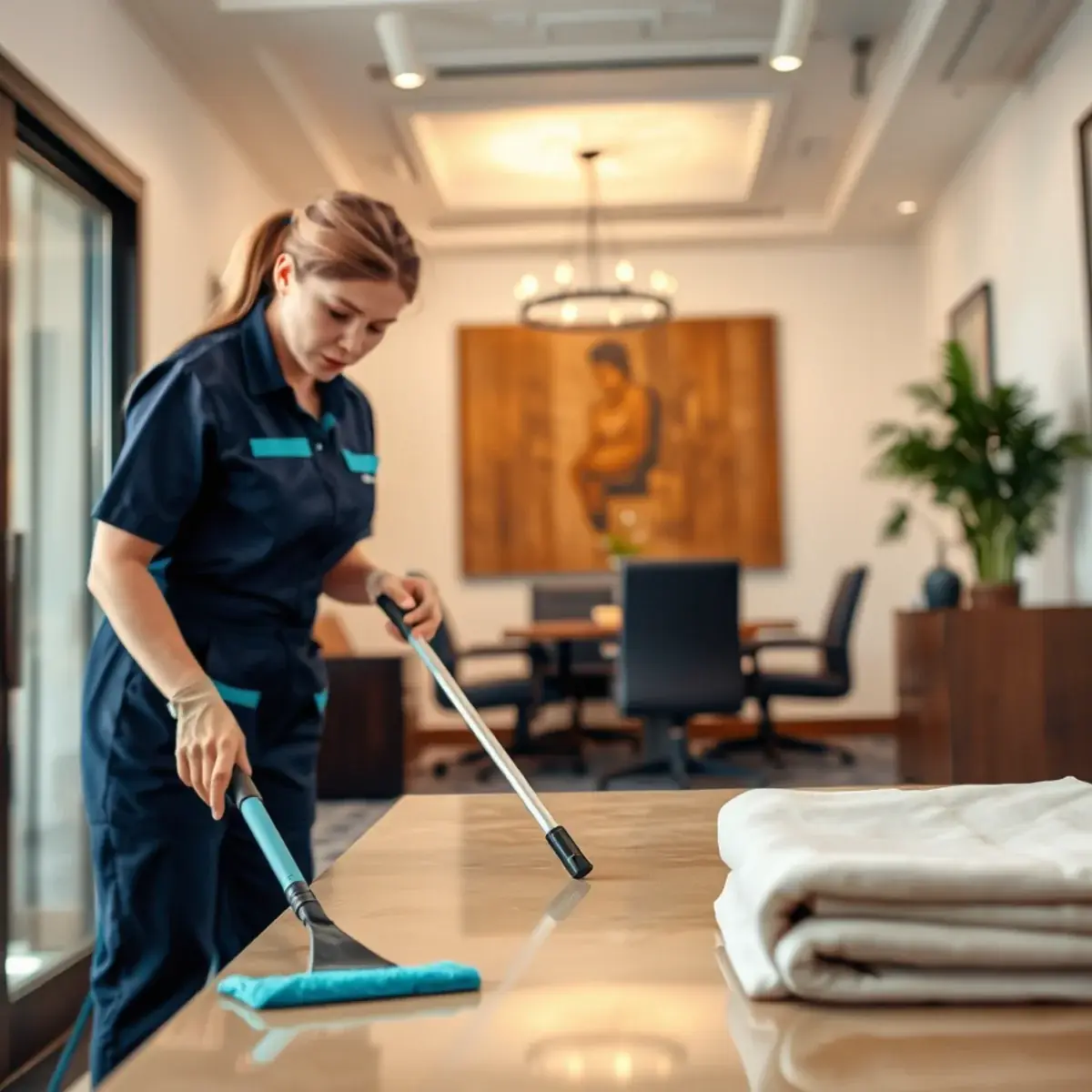
An office cleaning checklist should reflect how the workplace is used. Reception, restrooms, break rooms, conference areas, and high-traffic floors usually need more frequent care than private storage or low-use rooms.
A written scope protects consistency and helps the business communicate changes without rebuilding the agreement after every visit.
Reception and client-facing areas
Dust reachable furniture and ledges, clean glass and mirrors within scope, wipe appropriate high-touch surfaces, empty trash, reset visible furniture, and finish floors. Remove confidential papers and secure valuables before service.
Note branded displays, delicate decor, or equipment that should not be moved. First impressions depend on a clean, orderly result without disrupting business materials.
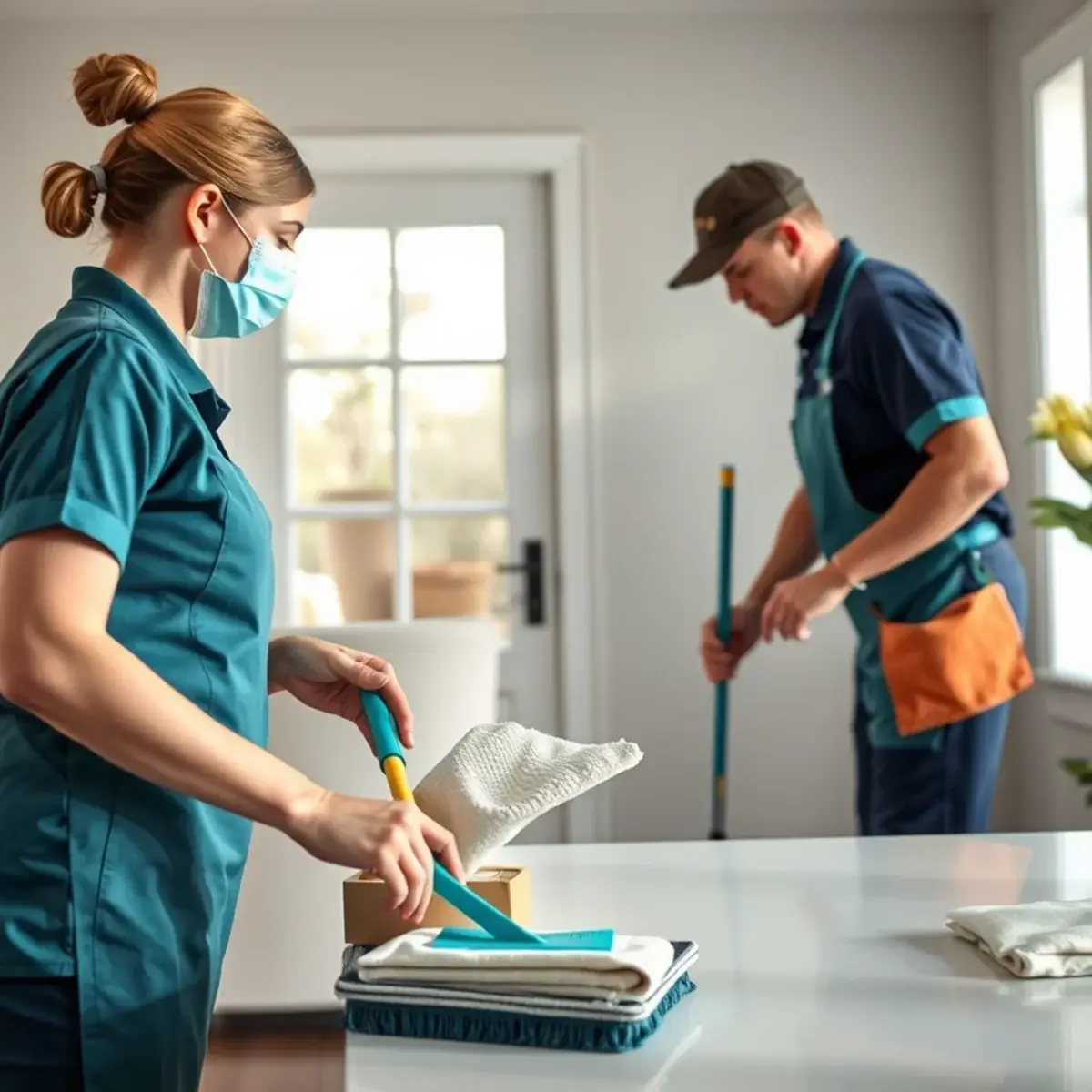
Workstations and conference rooms
Agree on whether desktops are cleaned only when clear. Many offices use a policy that papers and personal items are not moved. Dust accessible surfaces, clean meeting tables, empty approved bins, and vacuum or mop floors.
Computer screens, electronics, specialty equipment, and confidential zones need explicit instructions and may remain outside the normal scope.
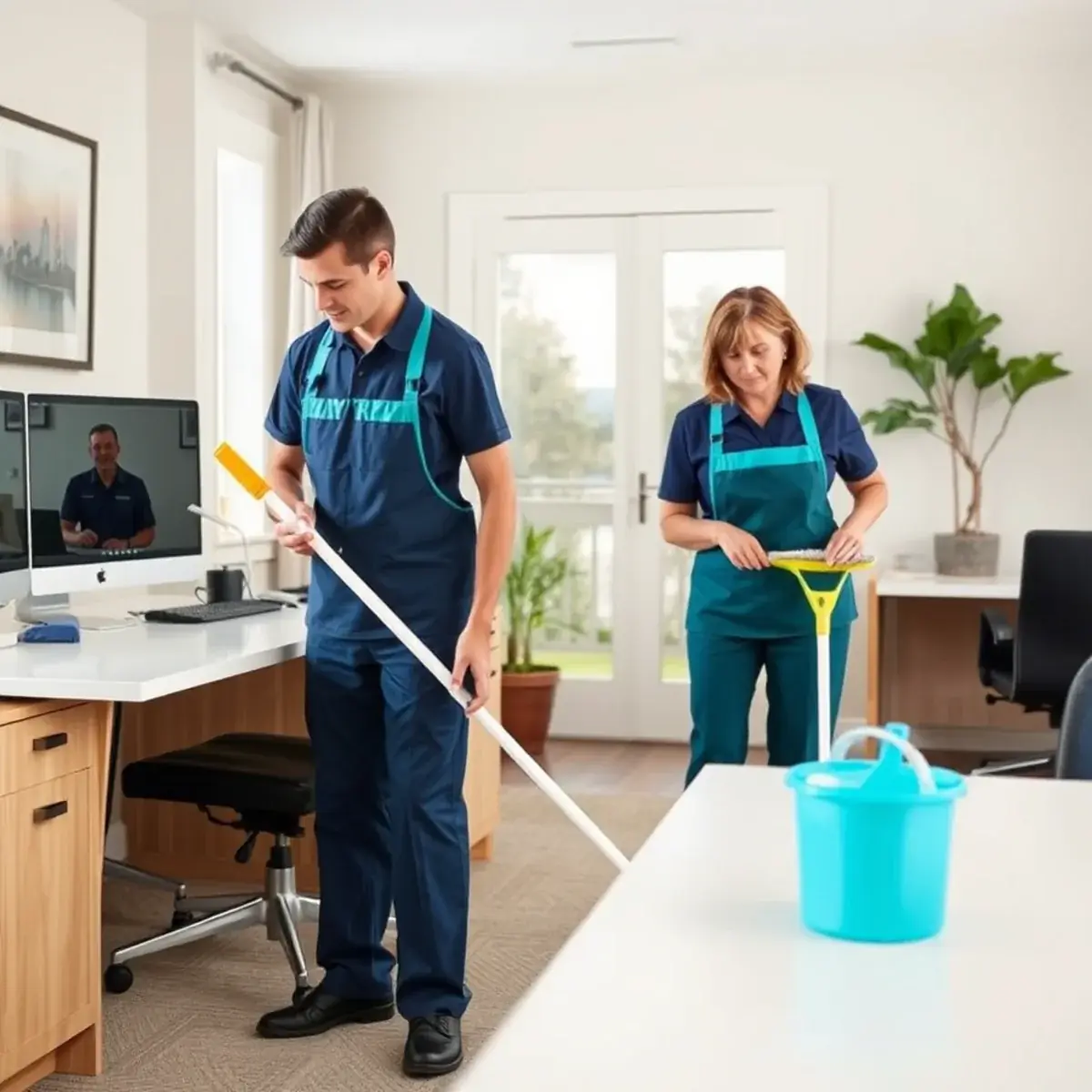
Restrooms and break rooms
Restrooms require dependable attention to toilets, sinks, faucets, mirrors, counters, dispensers, trash, and floors. Break rooms need counters, sink, table surfaces, appliance exteriors, trash, and floors.
Define who restocks paper goods and soap. A room can be clean but still feel unprepared when supplies run out, so ownership should be clear.
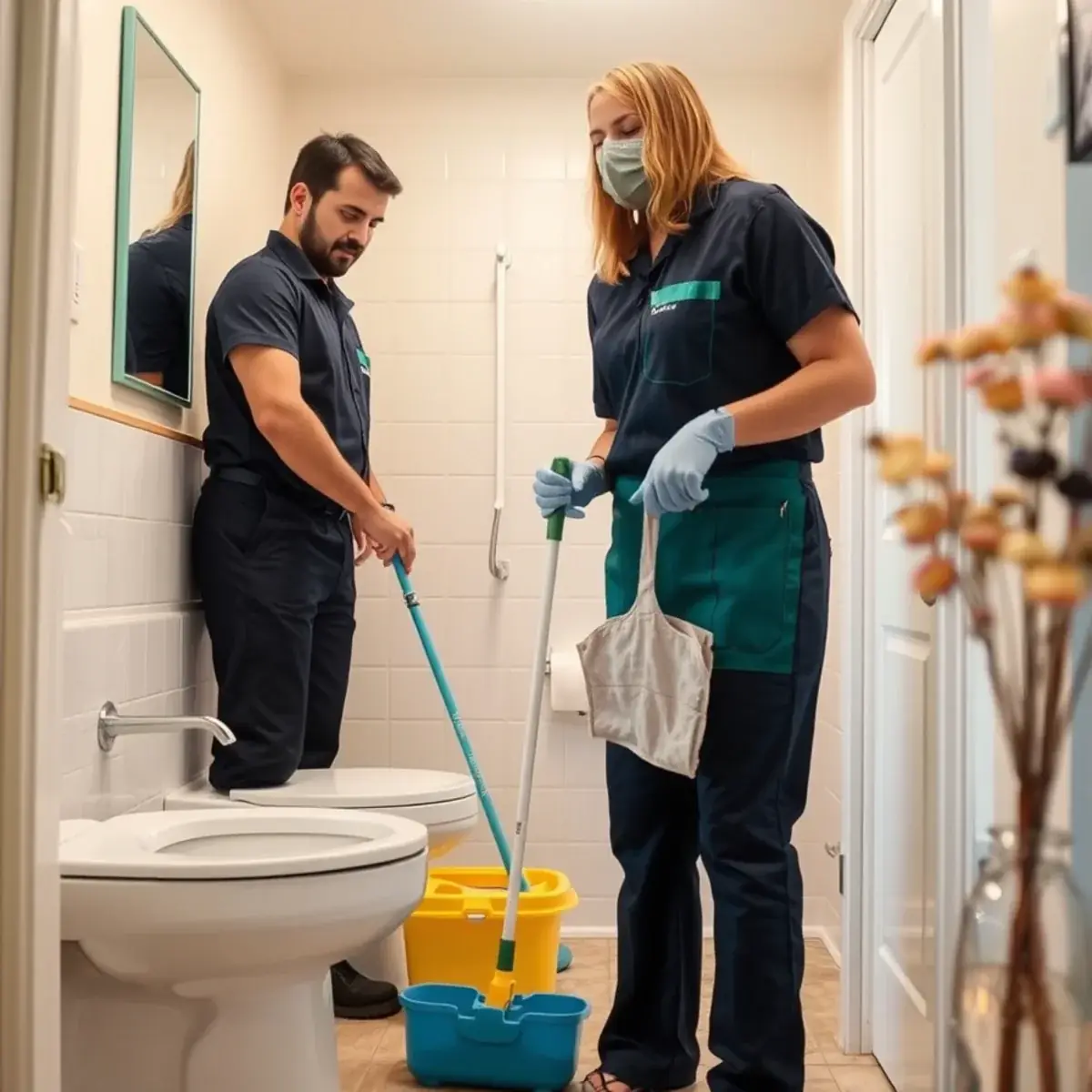
Access, security, and scheduling
Document keys, alarms, restricted rooms, service hours, parking, and an emergency contact. Never rely on verbal memory for access to a workplace with sensitive areas.
Review the scope after staffing changes, renovations, events, or a new office layout. The cleaning plan should follow actual traffic.
Assign tasks by frequency and owner
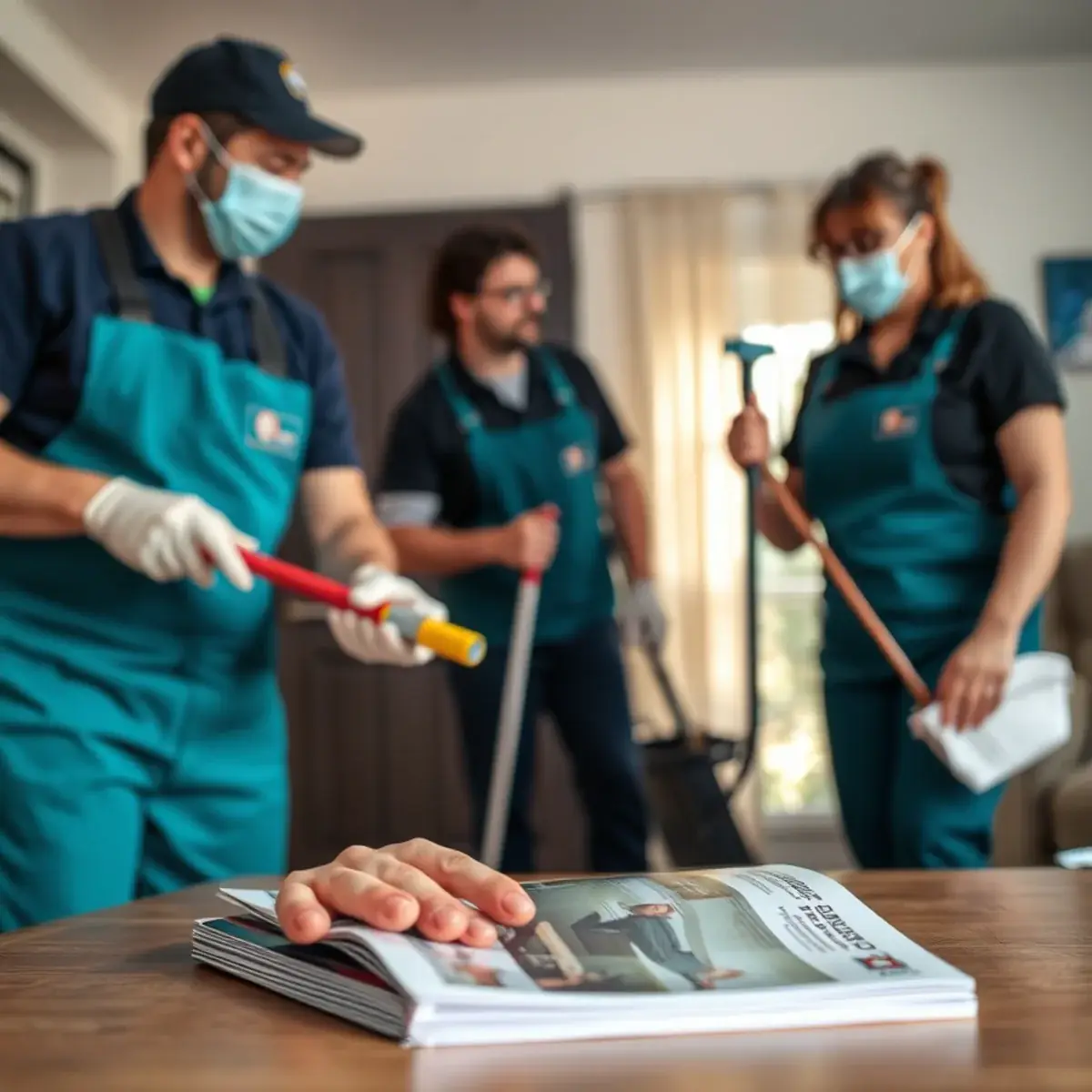
Separate the checklist into daily staff resets, tasks for each professional visit, rotating detail work, and project work. Trash, spills, food residue, restroom readiness, and client-facing presentation may need attention between scheduled visits, while ledges, baseboards, interior glass, and low-use rooms can follow an agreed rotation.
Put an owner beside every responsibility. The business may handle dishes, confidential-paper pickup, refrigerator contents, and supply ordering while the cleaning scope covers agreed surfaces, fixtures, bins, and floors. This prevents a task from being missed because each side assumed the other would handle it.
Add a closeout and issue-reporting step
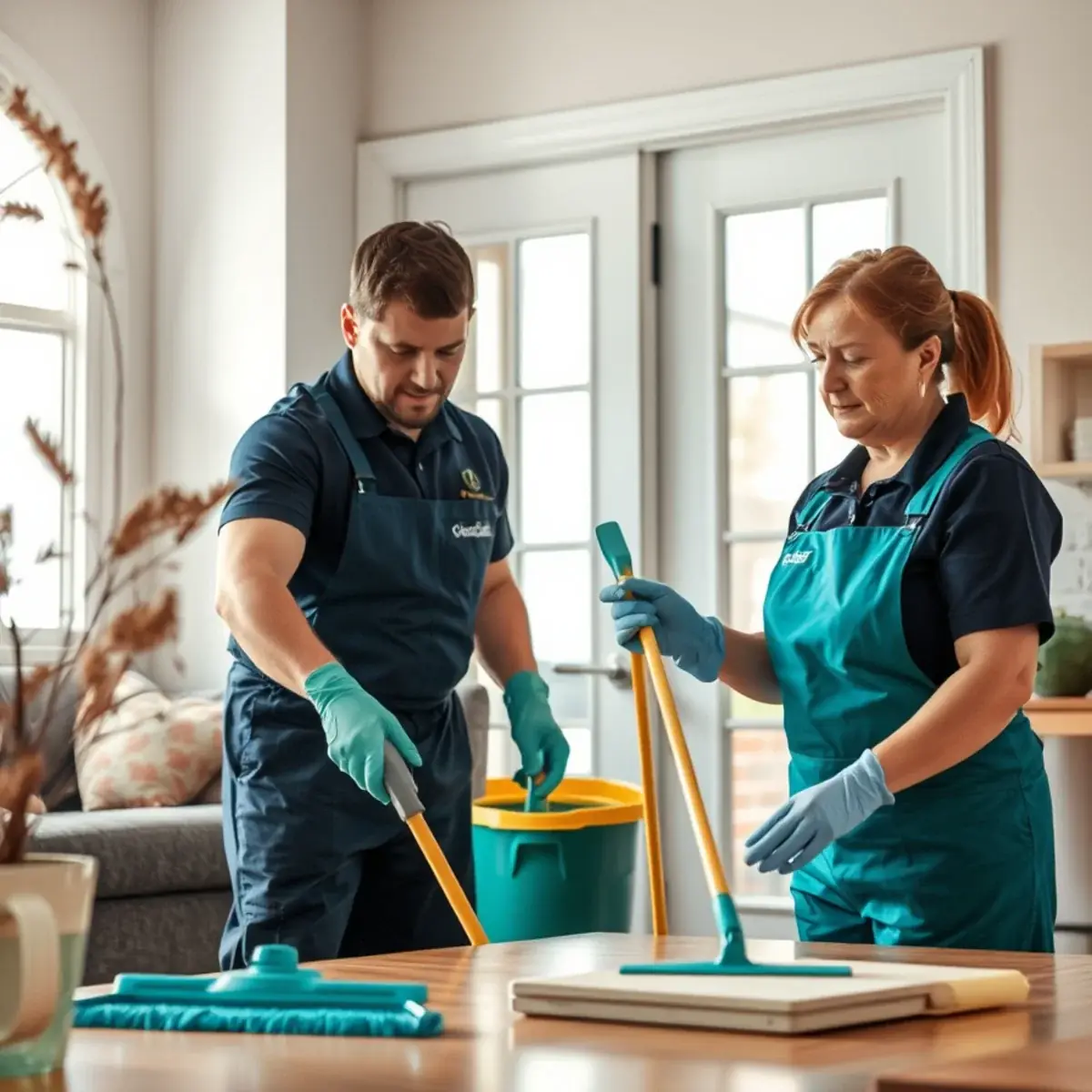
A checklist is useful only when someone can evaluate the result. Choose a business contact who can report a missed priority, recurring spill, supply shortage, access problem, or damaged surface. Review patterns rather than turning every request into an undocumented one-time instruction.
Before closing the workplace, confirm that designated rooms are complete, restroom and break-room supplies have been checked under the agreed responsibility, trash has reached the approved collection point, and required doors or alarms are secure. Medical, laboratory, industrial, pest, mold, bodily-fluid, or hazardous-waste situations need an appropriate specialist and should not be folded into a routine office list.

Put this guide into a realistic household plan
Begin by turning the advice above into three short lists: tasks that must happen every visit, details that can rotate, and projects that need extra time or advance discussion. That separation keeps a useful guide from becoming an impossible one-day checklist. Walk through the home in daylight, note the rooms that affect everyday comfort most, and decide what a finished result should look like. The practical value of office cleaning checklist small business comes from matching the work to the home’s current condition, not from completing the greatest possible number of boxes.
If you plan to do the work yourself, gather only products and tools appropriate for the materials in your home, read every label, and avoid mixing cleaners. Work from high, dry surfaces toward wet rooms and floors so completed areas stay finished. Break a large project into zones when fatigue would otherwise lead to rushed technique or missed details. Delicate finishes, damage, mold, pests, biohazards, elevated exterior work, and repair issues need the right qualified help rather than a more aggressive cleaning product.
If you prefer professional support, share this article’s main goal when you request an estimate, then add the property size, layout, bathroom count, access instructions, pets, timing, and your three highest priorities. Ask which details are included and which need to be scheduled separately. A clear scope helps you compare the right service, protects the time reserved for your home, and makes the final result easier to review. It also gives the cleaning team useful context without asking them to guess what matters to your household.
Related New Jersey cleaning help
If you would rather hand the work to a local team, explore office & workplace cleaning, standard house cleaning, deep house cleaning. Local service pages for house cleaning in Burlington and house cleaning in Kearny provide additional access and housing context.
Final takeaway
A useful office checklist is specific, secure, and tied to traffic. Define priority rooms, clarify desk and supply policies, and review the scope when the workplace changes.
Questions from this guide
How often should a small office be cleaned?
Frequency depends on staffing, visitors, restrooms, food service, and floor traffic. Begin with the highest-use areas and adjust from observed need.
Are desks and electronics included?
They should be addressed in the written scope. Clear-desk policies and equipment restrictions prevent accidental movement or damage.
Should office cleaning happen after hours?
That depends on access and business needs. Either schedule can work when security and workspace expectations are documented.
How can a small business tell whether its cleaning checklist is working?
Use one point of contact and track repeated misses, supply shortages, access problems, and high-traffic areas that need a different frequency. Review the written scope when a pattern appears.
Does a routine office checklist cover medical or hazardous waste?
No. Medical, laboratory, bodily-fluid, industrial, pest, mold, and hazardous-waste conditions can require specialized training, products, disposal, or vendors. Identify those needs separately before service.
Prefer to talk through your cleaning needs?
Describe the home, condition, timing, and priorities. We’ll help you choose a realistic scope.
Call +1 877-754-5614