
Practical cleaning guide
How Often Should You Have Your House Cleaned? A Practical Schedule
How often to book routine and deep house cleaning, with a room-by-room frequency chart and the signs your current schedule is not keeping up. Most homes do best with professional cleaning every one to two weeks, plus a deep clean whenever buildup returns to trim, fixtures, and cabinet fronts. Adjust the interval after a month based on how fast bathrooms, floors, and the kitchen slip.
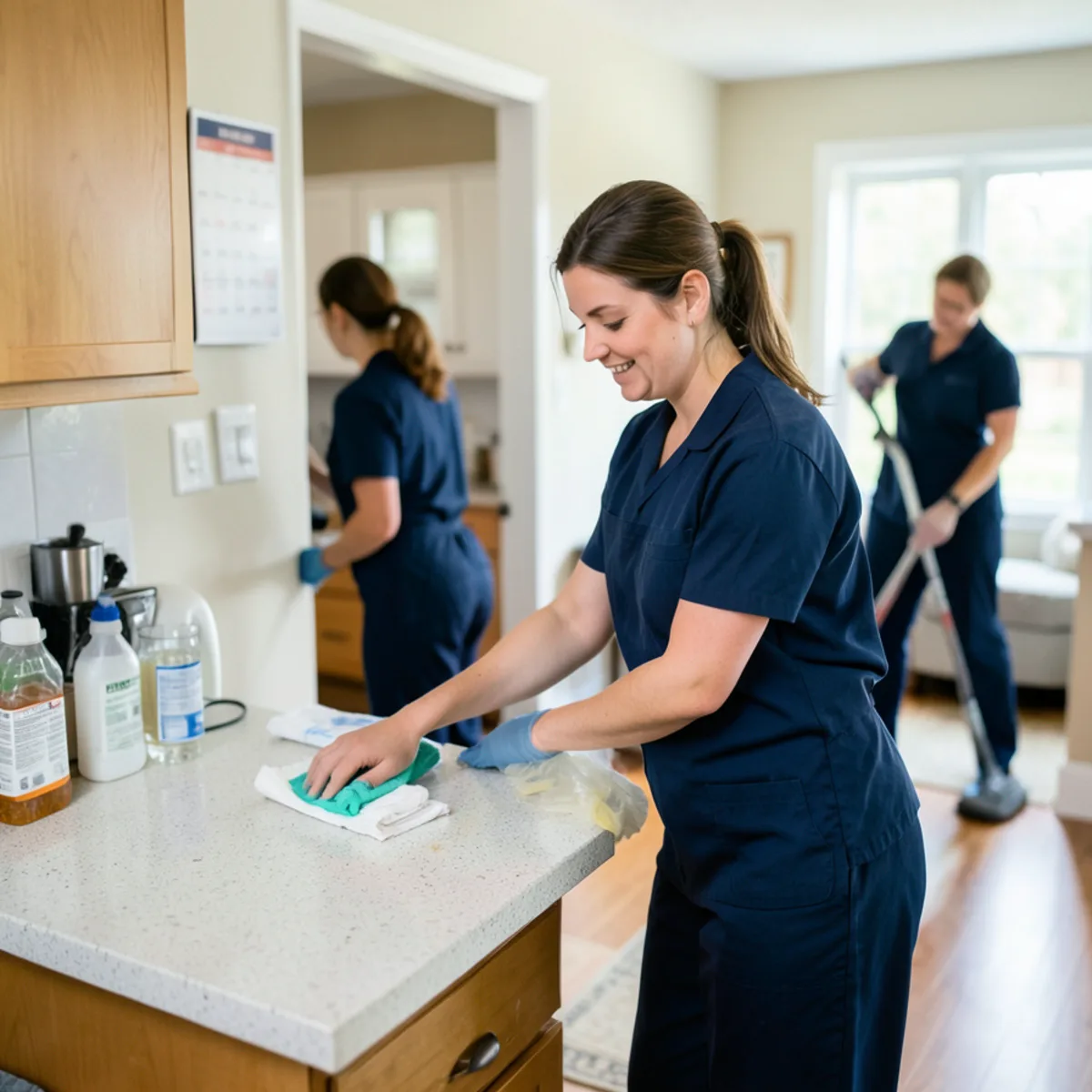
Most homes do best with routine professional cleaning every one to two weeks and a deeper clean whenever buildup returns to the edges, fixtures, and trim. That is the short answer. The useful answer depends on how many people and pets use the home, how much you cook, how many bathrooms are in daily use, and how much upkeep you are willing to do between visits.
This guide breaks the decision into two schedules: the routine visit that keeps the home comfortable, and the deep clean that resets the baseline. It also includes a task-by-task frequency chart you can use whether you hire a team or clean yourself.
Routine cleaning: weekly, bi-weekly, or monthly
Routine cleaning covers kitchens, bathrooms, dusting, floors, and trash. How often you need it comes down to how quickly those areas slip from clean to noticeably used. In a busy home that can happen in a few days. In a one- or two-person home with no pets, it may take several weeks.
Use the table as a starting point, then adjust after a month of real life. If you want the detail on the two most common choices, read weekly vs. bi-weekly house cleaning.
| Household | Suggested routine schedule | Why |
|---|---|---|
| Children, shedding pets, or daily cooking | Weekly | Floors, bathrooms, and the kitchen need a reset within a week |
| Two working adults, some upkeep between visits | Bi-weekly | Light weekday pickup covers the gap between visits |
| One or two people, low traffic, no pets | Every three or four weeks | Surfaces stay usable longer; visits focus on bathrooms and dust |
| Occasional help only | Monthly or one-time visits | Good for a periodic reset; expect more catch-up per visit |
How often to deep clean your house
A deep clean is not a faster version of routine cleaning. It adds time for the detail that routine visits skip: baseboards, door frames, cabinet fronts, fixture buildup, and the floor line around furniture. Many households schedule one when they start professional cleaning, then once or twice a year, often in spring and fall.
The better trigger is condition, not the calendar. Book a deep house cleaning when you notice any of these:
- Dust lines on trim, vents, or door frames that routine dusting does not reach
- Soap residue or water marks that stay after a normal bathroom clean
- Grease on cabinet fronts or the backsplash near the stove
- It has been several months since the home had a thorough cleaning
- You are about to start recurring service and want a clean baseline
House cleaning frequency chart, task by task
This chart separates what needs attention every visit from what can rotate. It is the same logic a recurring cleaning plan uses: core tasks every time, detail tasks on a slower cycle.

| Task | How often | Notes |
|---|---|---|
| Kitchen counters and sink | Every visit, plus daily wipes | Food prep areas change fastest |
| Toilets, sinks, and mirrors | Weekly | More often in a shared or main bathroom |
| Tub and shower | Weekly to bi-weekly | Soap residue builds faster in daily-use showers |
| Vacuuming high-traffic floors | Weekly | Entries and kitchens first |
| Mopping hard floors | Weekly to bi-weekly | Sooner in winter when salt is tracked in |
| Dusting reachable surfaces | Weekly to bi-weekly | Pets and open windows speed this up |
| Baseboards and door frames | Seasonally or during a deep clean | Rarely needed every visit |
| Cabinet fronts and backsplash | Monthly to seasonally | Near the stove, more often |
| Inside the refrigerator or oven | As needed, by request | Book ahead; it takes real time |
Keeping the home in shape between professional visits
The interval between visits works better when a few high-impact habits fill the gap. This is the idea behind the 80/20 approach to cleaning: a small number of tasks, such as clearing the kitchen counters and wiping the main bathroom sink, account for most of how clean a home feels.
Short timed resets help too. One common method is to spend five minutes in each of five rooms, moving on when the timer ends even if the room is not finished. The goal is to stop clutter and spills from becoming the next visit's catch-up work.
- Clear and wipe kitchen counters after dinner
- Run a quick wipe over the main bathroom sink and mirror mid-week
- Vacuum the busiest floor path once between visits
- Keep entry mats in place to stop grit spreading through the house
Seasonal factors in New Jersey homes
New Jersey seasons change what a home collects. Spring brings pollen through open windows and on clothing. Summer brings sand from the shore and more foot traffic. Fall brings leaves and wet-weather grit. Winter brings road salt on boots and dry, dusty air from heating systems.
You do not need a different schedule for every season, but it helps to add a visit or move a deep clean to the season that hits your home hardest. A seasonal house cleaning visit is designed for exactly that reset.
Signs your current schedule is not working
If bathrooms feel overdue several days before the next visit, or each appointment spends most of its time recovering the kitchen, the interval is too long. If the home still looks finished on visit day, you may be able to stretch it.
Before changing frequency, check the scope. A deeper first visit or better pickup before the cleaners arrive often fixes the problem without paying for more visits. See how to prepare for house cleaners for the pickup routine that makes each visit go further.
Put this guide into a realistic household plan
Begin by turning the advice above into three short lists: tasks that must happen every visit, details that can rotate, and projects that need extra time or advance discussion. That separation keeps a useful guide from becoming an impossible one-day checklist. Walk through the home in daylight, note the rooms that affect everyday comfort most, and decide what a finished result should look like. The practical value of how often should you have your house cleaned comes from matching the work to the home’s current condition, not from completing the greatest possible number of boxes.
If you plan to do the work yourself, gather only products and tools appropriate for the materials in your home, read every label, and avoid mixing cleaners. Work from high, dry surfaces toward wet rooms and floors so completed areas stay finished. Break a large project into zones when fatigue would otherwise lead to rushed technique or missed details. Delicate finishes, damage, mold, pests, biohazards, elevated exterior work, and repair issues need the right qualified help rather than a more aggressive cleaning product.
If you prefer professional support, share this article’s main goal when you request an estimate, then add the property size, layout, bathroom count, access instructions, pets, timing, and your three highest priorities. Ask which details are included and which need to be scheduled separately. A clear scope helps you compare the right service, protects the time reserved for your home, and makes the final result easier to review. It also gives the cleaning team useful context without asking them to guess what matters to your household.
Related New Jersey cleaning help
If you would rather hand the work to a local team, explore recurring house cleaning, deep house cleaning, standard house cleaning. Local service pages for house cleaning in Beverly and house cleaning in Cherry Hill provide additional access and housing context.
Final takeaway
Start with weekly or bi-weekly routine cleaning, add a deep clean when buildup returns, and adjust after a month. If you want help choosing the interval, a recurring house cleaning plan can begin with a deeper first visit and settle into the schedule that fits your home.
Questions from this guide
How often should a house be professionally cleaned?
Weekly or bi-weekly suits most busy households, especially with children, pets, or daily cooking. Lower-traffic homes may do well every three or four weeks or monthly. Adjust after a month based on how quickly bathrooms, floors, and the kitchen slip.
How often should you deep clean your house?
Many households deep clean once or twice a year, often in spring and fall, plus before starting recurring service. The better trigger is condition: book one when buildup appears on trim, fixtures, cabinet fronts, or the floor line around furniture.
Is bi-weekly cleaning enough?
For many homes, yes, if someone handles light upkeep between visits such as dishes, quick counter wipes, and small spills. If the home feels overdue several days before each visit, weekly service is the better fit.
What is the 80/20 rule for house cleaning?
It is the idea that a few high-impact tasks, such as clearing kitchen counters and wiping the main bathroom, produce most of how clean a home feels. Doing those between professional visits keeps the home comfortable longer.
Prefer to talk through your cleaning needs?
Describe the home, condition, timing, and priorities. We’ll help you choose a realistic scope.
Call +1 877-754-5614