
Practical cleaning guide
How to Reduce Dust in Your New Jersey Home Between Cleanings
Reduce household dust between professional cleanings with practical entry, fabric, floor, clutter, and ventilation habits. Control dirt at entries, wash fabrics, vacuum methodically, manage clutter, and maintain filters appropriate to the home’s system.
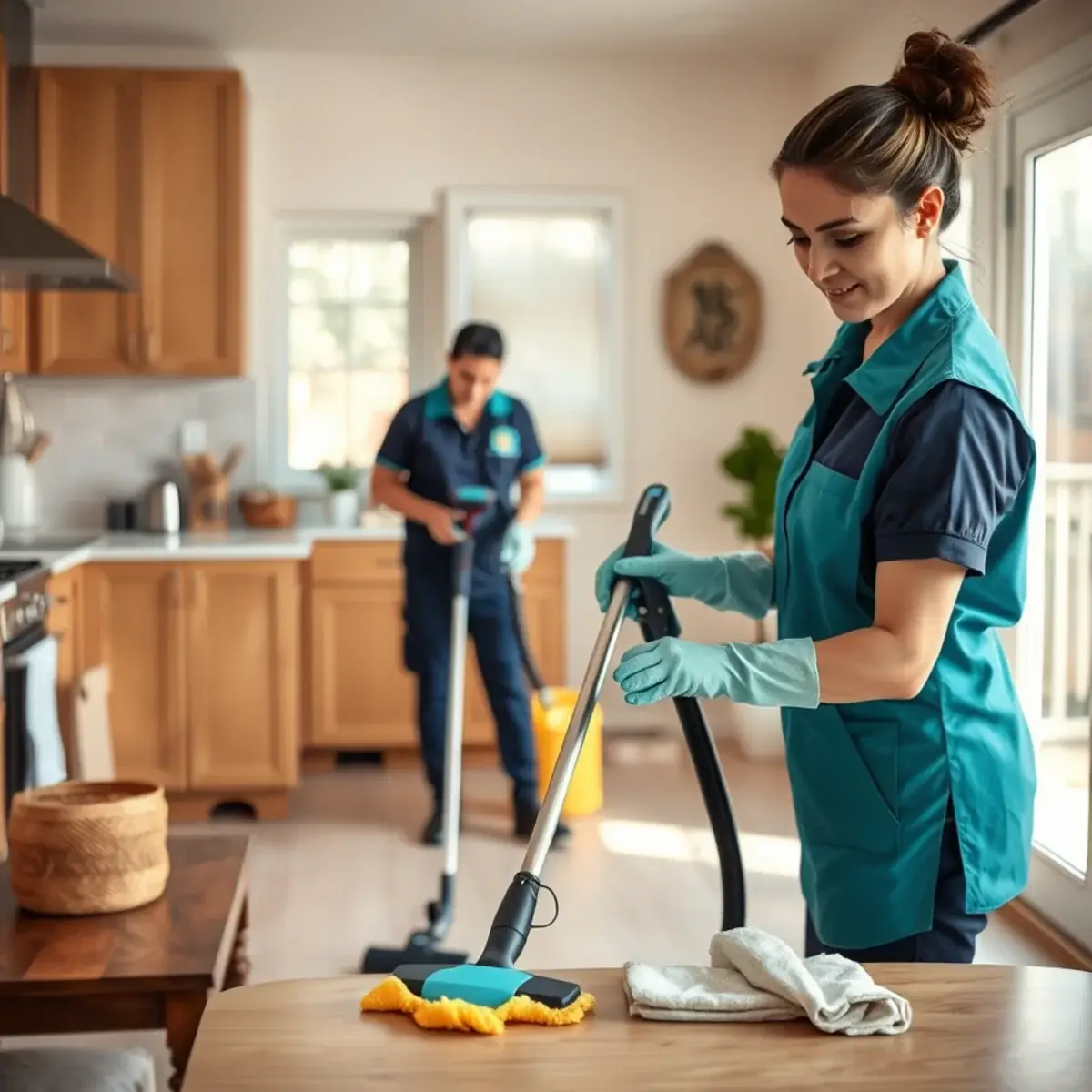
Dust is not one substance. It is a mixture of fibers, tracked-in soil, skin cells, hair, pollen, and tiny particles from normal household life. That is why it returns even in a well-kept home.
The goal between professional cleanings is not zero dust. It is slowing how quickly it spreads and keeping it from becoming visible buildup on floors, ledges, and frequently used rooms.
Stop more dust at the door
Use a mat outside and a washable mat inside active entrances. Remove outdoor shoes when practical and vacuum entry areas before soil travels into bedrooms and living spaces.
During wet or high-pollen weather, check the first several feet of flooring more often. A quick pass there can prevent a whole-home problem.
Manage fabrics and pet hair
Wash bedding on a regular schedule, launder throws, and vacuum upholstered areas where pets rest. Grooming pets appropriately and cleaning their favorite zones reduces what later spreads through the home.
Do not shake dusty fabrics indoors. Fold them carefully and move them to the laundry area so trapped material is not released back into the room.
Dust in a controlled order
Work from high surfaces to low ones and use a method that captures dust instead of sending it into the air. Finish with vacuuming and mopping after surfaces are complete.
Avoid trying to dust around crowded decor. Reducing small objects on open surfaces makes routine wiping faster and more complete.
Address the household patterns that create buildup
Open windows, busy roads, renovation work, fireplaces, pets, and active entries all change the dust load. Identify where buildup appears first and shorten the cleaning interval there.
Ventilation and filtration equipment should be maintained according to its manufacturer or qualified service provider. Cleaning visible surfaces works best when home systems are also cared for appropriately.
Trace the source before cleaning more often
Use the location of the fastest buildup as a clue. Entry-floor residue points to outdoor tracking; particles on window ledges may follow open-window periods; lint near bedrooms often follows fabrics; and concentrated buildup after construction needs containment and a post-project plan. Wipe one small reference surface at the same time each week to compare patterns instead of relying on memory.
Dust near a supply or return register does not prove that duct cleaning is needed. Check whether the HVAC filter fits properly and is being maintained on schedule, and ask a qualified HVAC provider about persistent system concerns. Filters must be compatible with the equipment; a higher-efficiency option is not automatically suitable for every system.
Know where routine dusting stops
Use a cloth or mop that captures particles and a vacuum appropriate for the flooring and household, following equipment instructions. Portable air cleaners and HVAC filters can support particle control, but they do not remove every pollutant and cannot replace source control or surface cleaning.
Ongoing construction dust, visible mold or water damage, pest debris, smoke residue, unusual odors, and suspected HVAC faults require the right trade or remediation assessment. A recurring house-cleaning visit can maintain accessible surfaces, but it should not be presented as a repair, environmental test, medical treatment, or hazardous-material service.
Put this guide into a realistic household plan
Begin by turning the advice above into three short lists: tasks that must happen every visit, details that can rotate, and projects that need extra time or advance discussion. That separation keeps a useful guide from becoming an impossible one-day checklist. Walk through the home in daylight, note the rooms that affect everyday comfort most, and decide what a finished result should look like. The practical value of how to reduce dust in your home comes from matching the work to the home’s current condition, not from completing the greatest possible number of boxes.
If you plan to do the work yourself, gather only products and tools appropriate for the materials in your home, read every label, and avoid mixing cleaners. Work from high, dry surfaces toward wet rooms and floors so completed areas stay finished. Break a large project into zones when fatigue would otherwise lead to rushed technique or missed details. Delicate finishes, damage, mold, pests, biohazards, elevated exterior work, and repair issues need the right qualified help rather than a more aggressive cleaning product.
If you prefer professional support, share this article’s main goal when you request an estimate, then add the property size, layout, bathroom count, access instructions, pets, timing, and your three highest priorities. Ask which details are included and which need to be scheduled separately. A clear scope helps you compare the right service, protects the time reserved for your home, and makes the final result easier to review. It also gives the cleaning team useful context without asking them to guess what matters to your household.
Related New Jersey cleaning help
If you would rather hand the work to a local team, explore recurring house cleaning, standard house cleaning, seasonal house cleaning. Local service pages for house cleaning in Montclair and house cleaning in Wayne provide additional access and housing context.
Final takeaway
Dust control comes from small systems: cleaner entries, washable fabrics, uncluttered surfaces, top-to-bottom technique, and a schedule that matches the home’s real traffic.
Questions from this guide
Why does dust return right after cleaning?
Air movement, fabrics, people, pets, and outdoor soil continuously create or move particles. Better capture and entry habits slow the return.
Should I dust or vacuum first?
Dust higher surfaces first, then vacuum and mop so material that falls is collected at the end.
Can recurring cleaning help with dust?
Yes. A consistent schedule prevents long accumulation and makes the workload more predictable.
Will an air purifier eliminate dust from the home?
No. A correctly selected and maintained air cleaner may help with particles that pass through it, but it cannot capture everything or replace entry control, fabric care, dusting, and floor cleaning.
Do dusty vents mean the air ducts need cleaning?
Not by themselves. First check visible surface buildup, filter fit and maintenance, and recent construction or household changes. Ask a qualified HVAC provider to evaluate persistent system concerns.
Prefer to talk through your cleaning needs?
Describe the home, condition, timing, and priorities. We’ll help you choose a realistic scope.
Call +1 877-754-5614