
Practical cleaning guide
Your First Professional House Cleaning: What to Expect
What happens before, during, and after your first professional house cleaning, from the estimate and first-visit scope to the walkthrough and next steps. A first professional cleaning has three parts: an honest estimate, the visit itself, and a short review afterward. It usually takes longest because the team learns the layout and removes buildup.
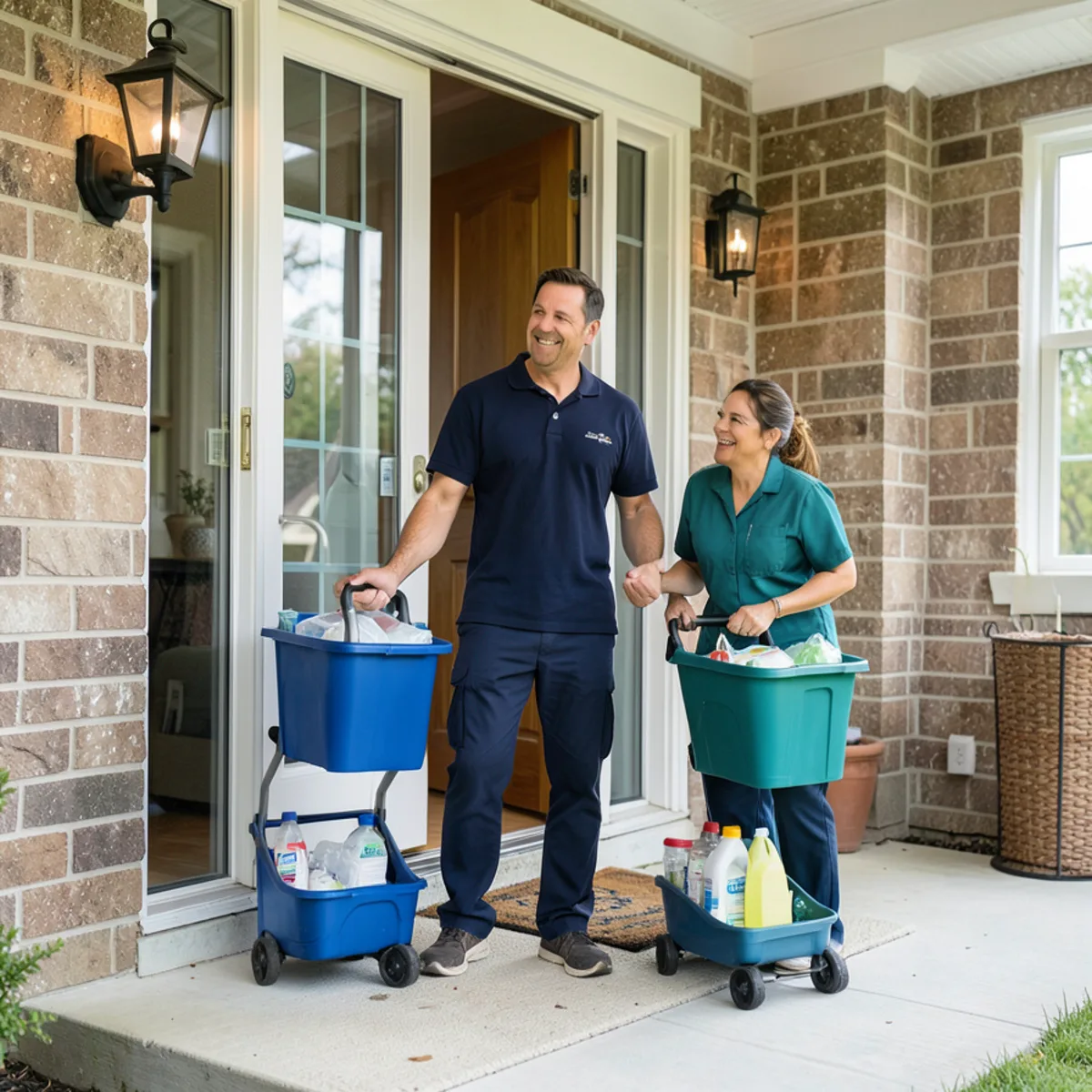
Your first professional house cleaning has three parts: an estimate where you describe the home and your priorities, the visit itself, and a short review afterward. The first visit usually takes the longest, because it is when the team learns the layout and clears any buildup.
Knowing what happens at each step makes it easier to get the result you want, and to decide whether to keep a recurring schedule.
Before the visit: the estimate
Expect to describe the home: size, levels, bedrooms and bathrooms, floor types, pets, and its current condition. Be honest about condition. It is the biggest factor in how long the first visit takes and whether it should be a standard or deep clean.
This is also when to name anything outside routine cleaning, such as inside the oven or refrigerator, so it can be planned. The house cleaning cost factors guide explains what affects the estimate.
Should the first visit be a standard or deep clean?
If the home has been kept up and mainly needs a full professional pass, a standard clean may be enough. If it has been a while, or buildup shows on trim, fixtures, and cabinet fronts, start with a deep clean. Recurring visits then maintain that baseline instead of fighting old buildup each time.
The standard cleaning vs. deep cleaning guide compares the two room by room.
The day before
Pick up clutter from counters and floors so the time goes to cleaning, not tidying. Put away valuables and anything fragile, make a plan for pets, and confirm how the team will get in. The full routine is in how to prepare for house cleaners.
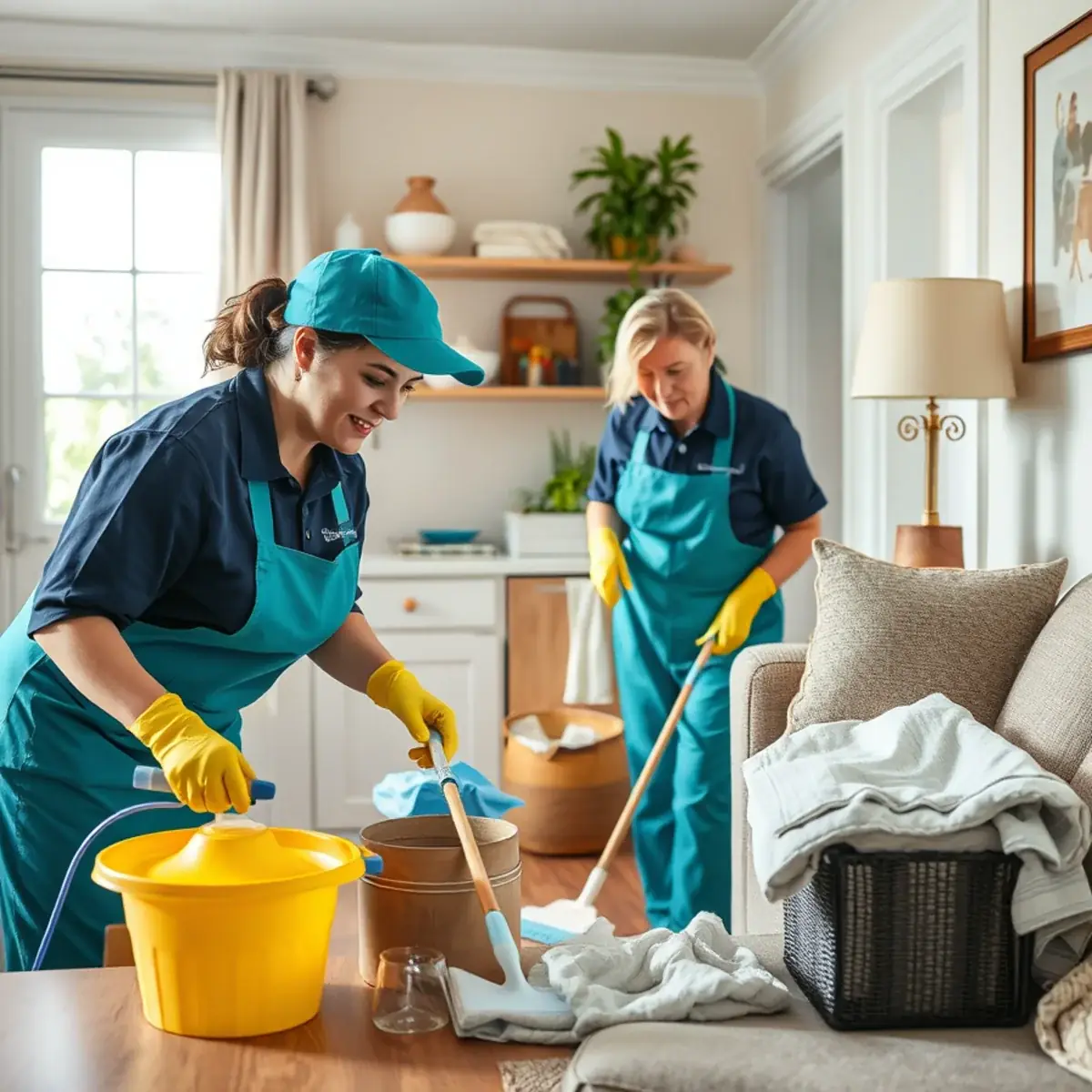
During the visit
Expect the team to work room by room, from high surfaces to floors, so finished areas stay clean. Kitchens and bathrooms usually take the most time. You do not need to stay home, but if you are there, a two-minute conversation at the start about your top three priorities is more useful than a full tour.
After the visit
Walk through while the visit is fresh. Note anything that missed the mark or that you want handled differently next time, and say so. Clear feedback after the first visit is what makes the second one better.
Then decide on the schedule. Most households choose weekly or bi-weekly; the guide on how often to have your house cleaned can help you pick.
Put this guide into a realistic household plan
Begin by turning the advice above into three short lists: tasks that must happen every visit, details that can rotate, and projects that need extra time or advance discussion. That separation keeps a useful guide from becoming an impossible one-day checklist. Walk through the home in daylight, note the rooms that affect everyday comfort most, and decide what a finished result should look like. The practical value of first professional house cleaning comes from matching the work to the home’s current condition, not from completing the greatest possible number of boxes.
If you plan to do the work yourself, gather only products and tools appropriate for the materials in your home, read every label, and avoid mixing cleaners. Work from high, dry surfaces toward wet rooms and floors so completed areas stay finished. Break a large project into zones when fatigue would otherwise lead to rushed technique or missed details. Delicate finishes, damage, mold, pests, biohazards, elevated exterior work, and repair issues need the right qualified help rather than a more aggressive cleaning product.
If you prefer professional support, share this article’s main goal when you request an estimate, then add the property size, layout, bathroom count, access instructions, pets, timing, and your three highest priorities. Ask which details are included and which need to be scheduled separately. A clear scope helps you compare the right service, protects the time reserved for your home, and makes the final result easier to review. It also gives the cleaning team useful context without asking them to guess what matters to your household.
Related New Jersey cleaning help
If you would rather hand the work to a local team, explore standard house cleaning, deep house cleaning, one-time house cleaning. Local service pages for house cleaning in Beverly and house cleaning in Mount Laurel provide additional access and housing context.
Final takeaway
A good first cleaning comes from an honest estimate, a home that is picked up, and clear priorities. Start with a standard or deep cleaning based on condition, then review the visit and choose your schedule.
Questions from this guide
Do I need to be home for the first cleaning?
No, as long as access is arranged in advance. Many people are home for the first few minutes to share priorities, then leave.
Why does the first cleaning take longer?
The team is learning the layout and often removing buildup that later visits will not face. Once the baseline is set, recurring visits focus on upkeep.
Should I clean before the house cleaners come?
Pick up clutter, not dirt. Clearing counters, floors, and surfaces lets the visit focus on cleaning instead of moving your belongings.
What if something is missed?
Mention it as soon as you notice it, ideally right after the visit. Specific feedback helps the team adjust the next visit.
Prefer to talk through your cleaning needs?
Describe the home, condition, timing, and priorities. We’ll help you choose a realistic scope.
Call +1 877-754-5614